

About the Ethics Program
- About the Department
- Curriculum
- Faculty and Staff
-
Student Work
- Rockbridge Report
- Editing and Design for Journalism and Strategic Communication
- Investigative Reporting
- Reporting and Communicating the Climate Crisis in Barbados
- Radio News Hour
- Covering Courts and the Law
- Audio Production, Podcasting, and Recording Your Voice
- Podcasting
- Cross-Cultural Documentary Filmmaking
- Multimedia Storytelling Design
- Sports Journalism
- The Magazine: Past, Present, Future
- AIM Insider
- Internships
- Scholarships
- Assessment Plan
- Graduation and Retention Rates
In the early 1970s, Washington and Lee University established a program in applied journalism ethics. The program was expanded and a journalism ethics chair was established in 1996 with a $1.5 million endowment from the John S. and James L. Knight Foundation.
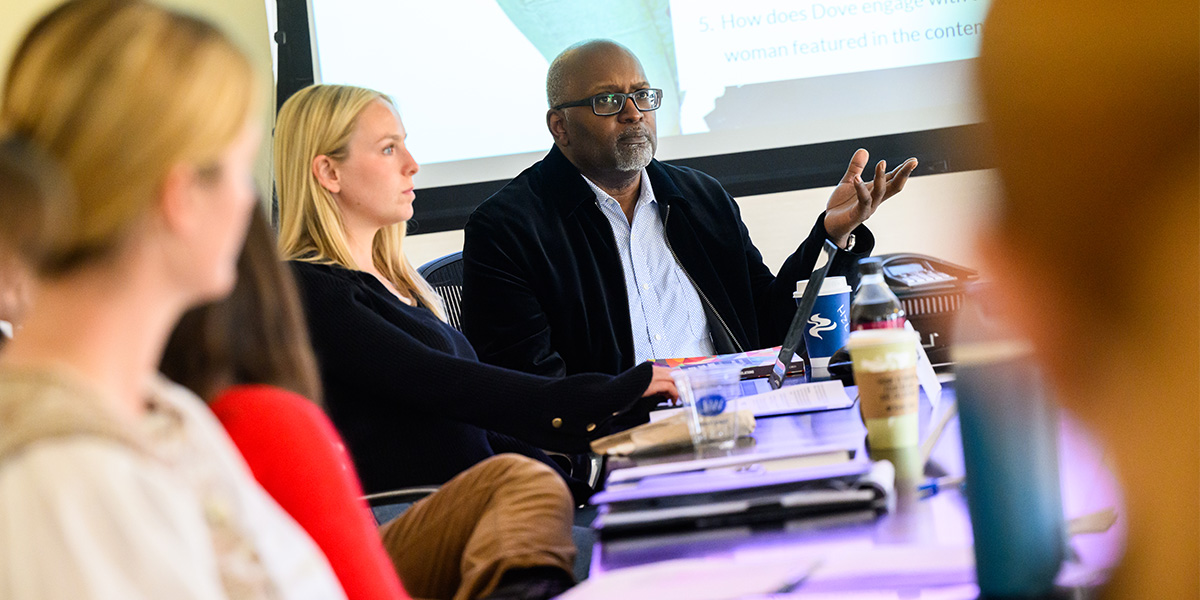
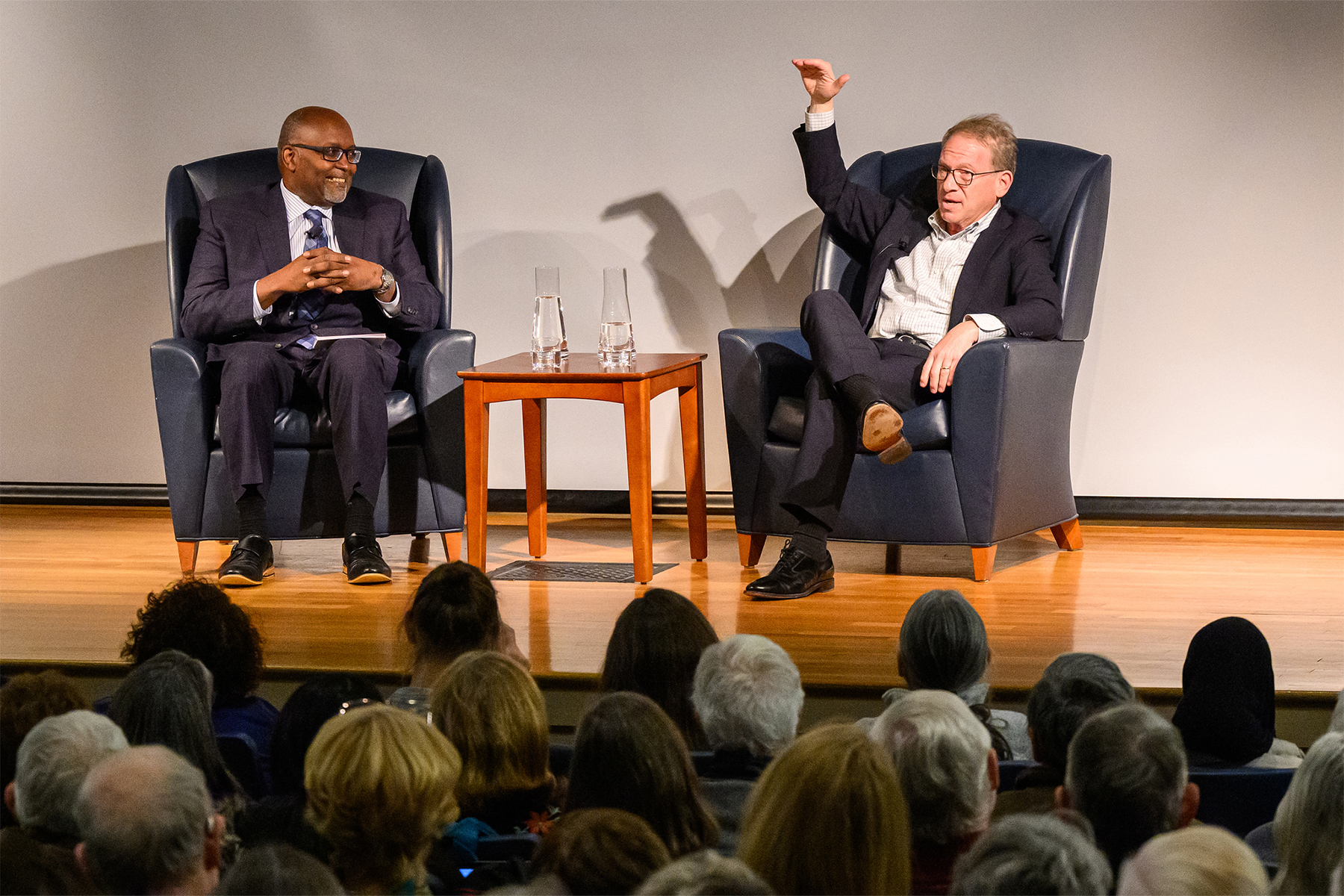
The Knight Chair in Journalism and Media Ethics is responsible for teaching ethics classes, developing events to boost discussion of media ethics throughout the school, local community and nationally, while also organizing the Ethics Institutes.
Ethics Institutes
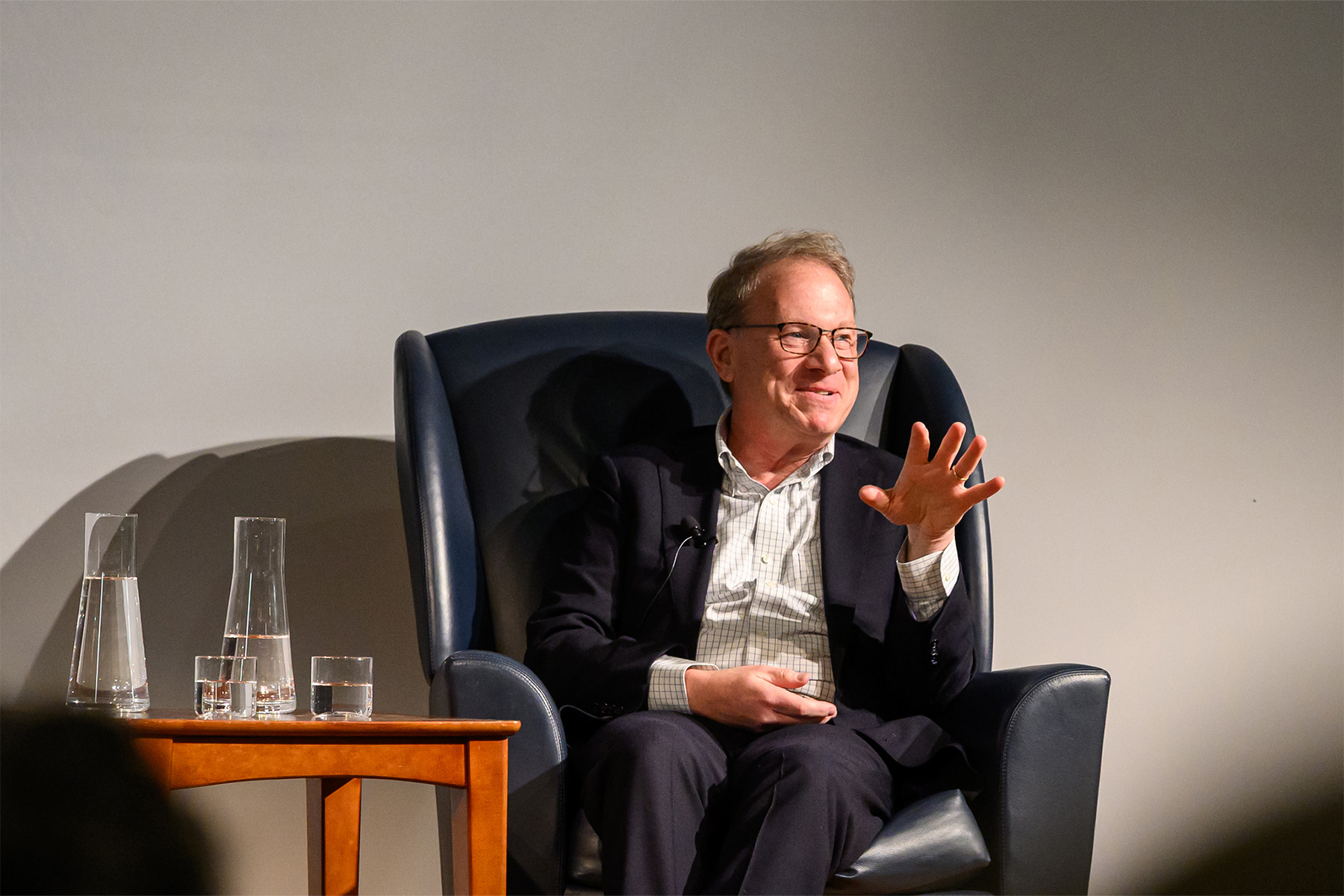
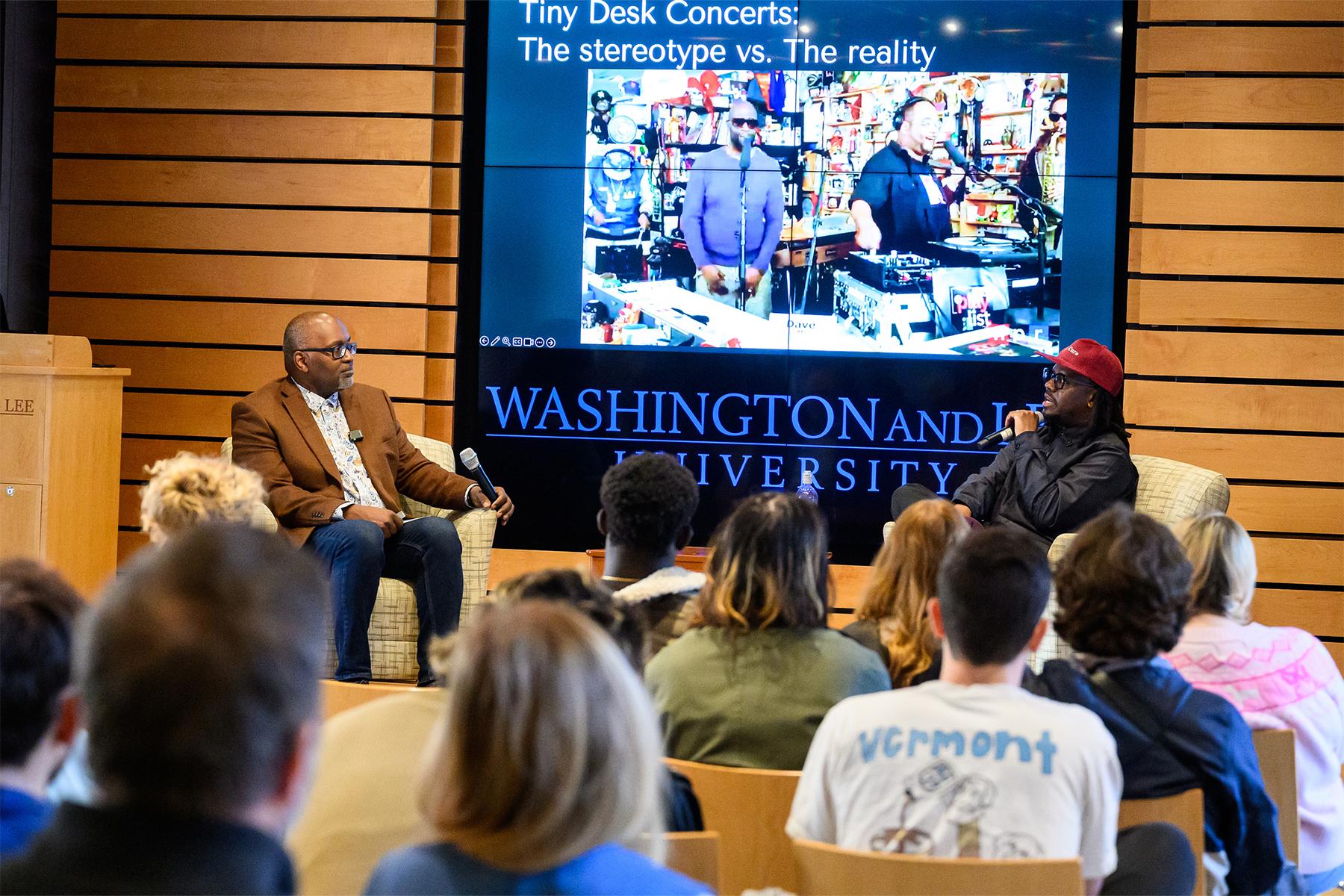
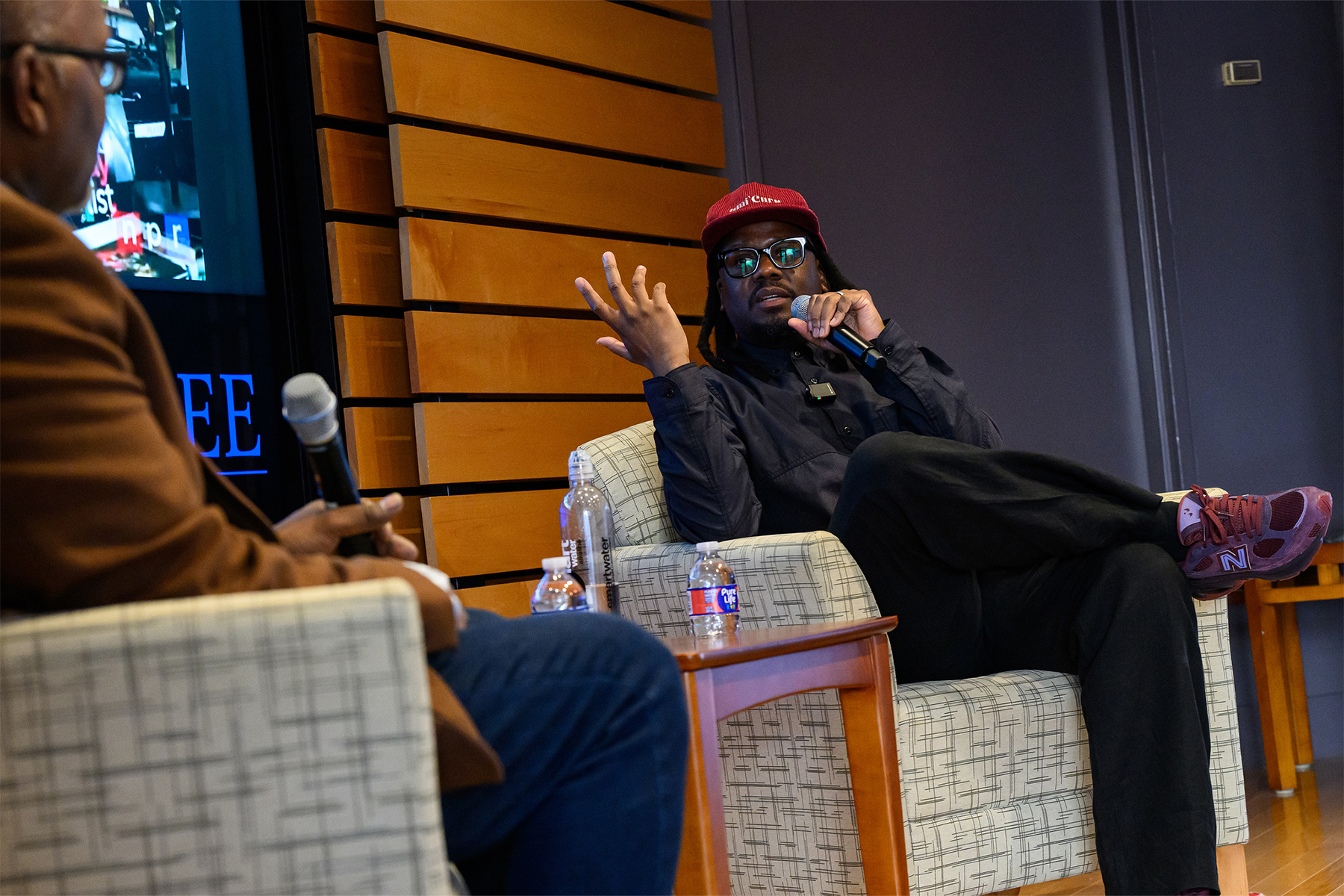
Each institute is led by a keynote speaker, often a well-known figure in journalism or media. Past speakers have included New York Times managing editor Dean Baquet; former CBS News anchor Dan Rather; Jeffrey Goldberg, editor in chief of The Atlantic magazine; and Bobby Carter, host and series producer of NPR’s Tiny Desk concerts.
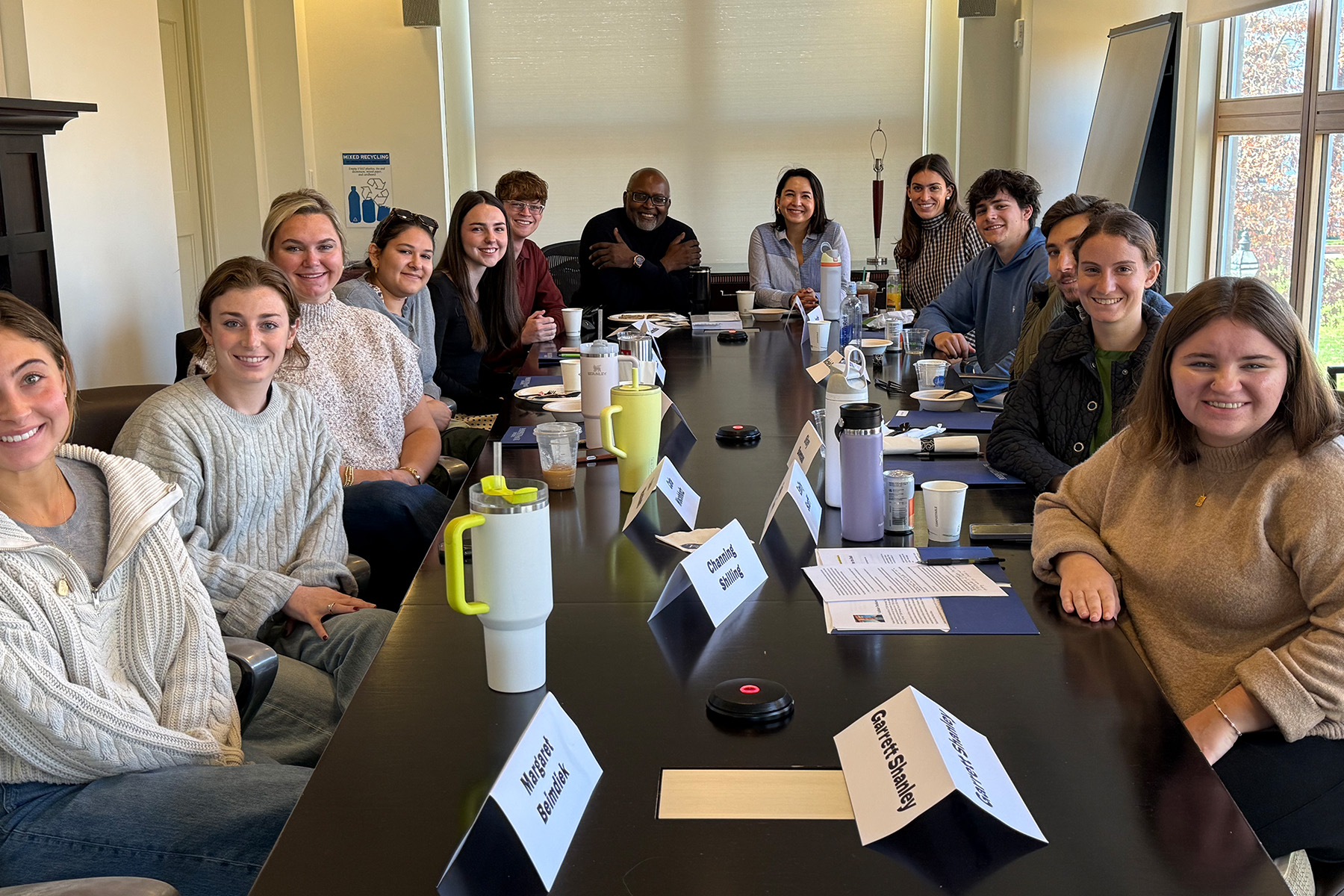
The autumn institutes are focused exclusively on journalism ethics; professionals who have travelled to Lexington as Ethics Fellows to discuss case studies with students have come from outlets such as NPR, CBS News, ESPN, and ABC News. The students are journalism majors enrolled in our cornerstone Journalism Ethics class.
The winter institutes take a broader view, covering ethical issues in public relations, advertising, documentary film, and entertainment programming in addition to journalism. Ethics Fellows for these institutes are PR practitioners, filmmakers, writers, and producers – past participants have come from Colgate/Palmolive, Unilever, Turner Broadcasting, and the halls of the U.S. Congress. The students are mass communications majors who attend the institute as part of their required Media Ethics class.
Journalism and Mass Communications Department
- About the Department
- Curriculum
- Faculty and Staff
- Student Work
- Internships
- Scholarships
- Assessment Plan
- Graduation and Retention Rates