
Rewilding Place: Ethical Considerations of Theory and Practice
Rewilding Place: Ethical Considerations of Theory and Practice
Thursday, February 12, 2026, at 11:00 am to 3:30 pm, Hillel 101
Registration is not required for the symposium.
Symposium Schedule
| Time | Event |
|---|---|
| 11:00 am | Opening Remarks Melissa Kerin |
| 11:20 am | Talk Title: “Honoring the Understories of Place: Seeing Beyond the Coalfields Imagery in Central Appalachia” Shannon Bell |
| 12:10 pm | Talk Title: “The Quiet Histories of Rewilding in Afro-Lachia” Ruby Daniels |
| 1:00 pm | Lunch will be offered as part of the symposium |
| 1:15 pm | Talk Title: “Regenerating Rockbridge: Rooting for the Earth and One Another" Elise Sheffield |
| 2:00 pm | Talk Title: “Wolves and Bison and Bears, Oh My! Rewilding the North American West: A Case Study from Yellowstone National Park” Bill Hamilton |
| 2:45 pm | Talk Title: “A Messy Aesthetic” Leigh Ann Beavers |
Speakers
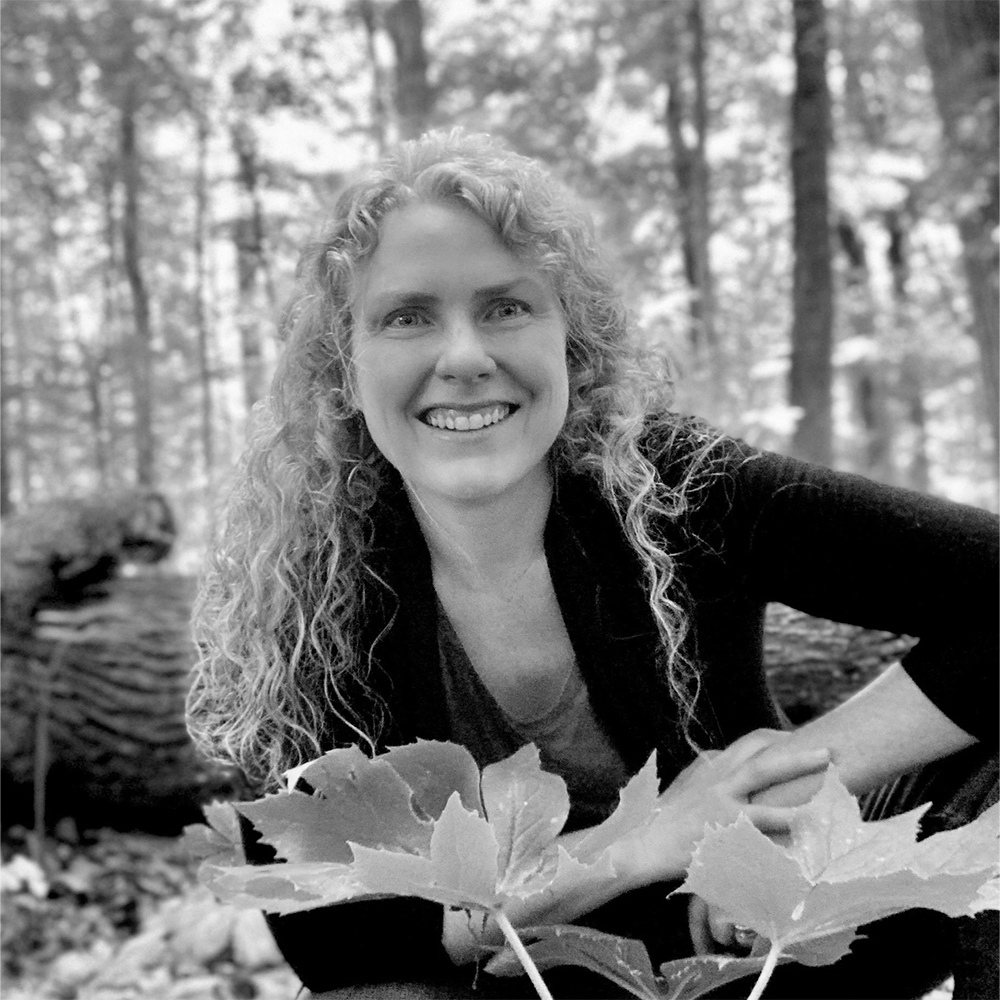
Shannon E. Bell
Dr. Shannon Bell is a professor in the Department of Sociology at Virginia Tech. Her research and teaching focus on the socio-ecological impacts of fossil fuel extraction and transport on rural communities, just energy transitions, and forest botanicals-based economies and traditions in Appalachia. Professor Bell leads the Forest Botanicals Region Social Ecology Lab, which conducts research and outreach to support the traditions, lifeways, and livelihoods connecting Appalachian people to the medicinal herbs and wild foods of the forest understory. Recent and ongoing projects include an ethnography of herbal-based economies and traditions in Central Appalachia, an examination of inequities in the wild-harvested herbal supply chain and leading the creation of the Forest Botanicals Region Living Monument, which celebrates the historical and present-day relationships that a diversity of Appalachian peoples have long held with forest medicines and foods. Professor Bell is author of two award-winning books and more than two dozen journal articles and book chapters. Her scholarship has received a variety of honors, including the Rural Sociological Society’s Excellence in Research Award; the Society for Human Ecology’s Gerald L. Young Book Award; the Association for Humanist Sociology Book Award; the Environmental Sociology Practice and Outreach Award; the Robert Boguslaw Award for Technology and Humanism, and the Niles Land Grant Scholar Award.
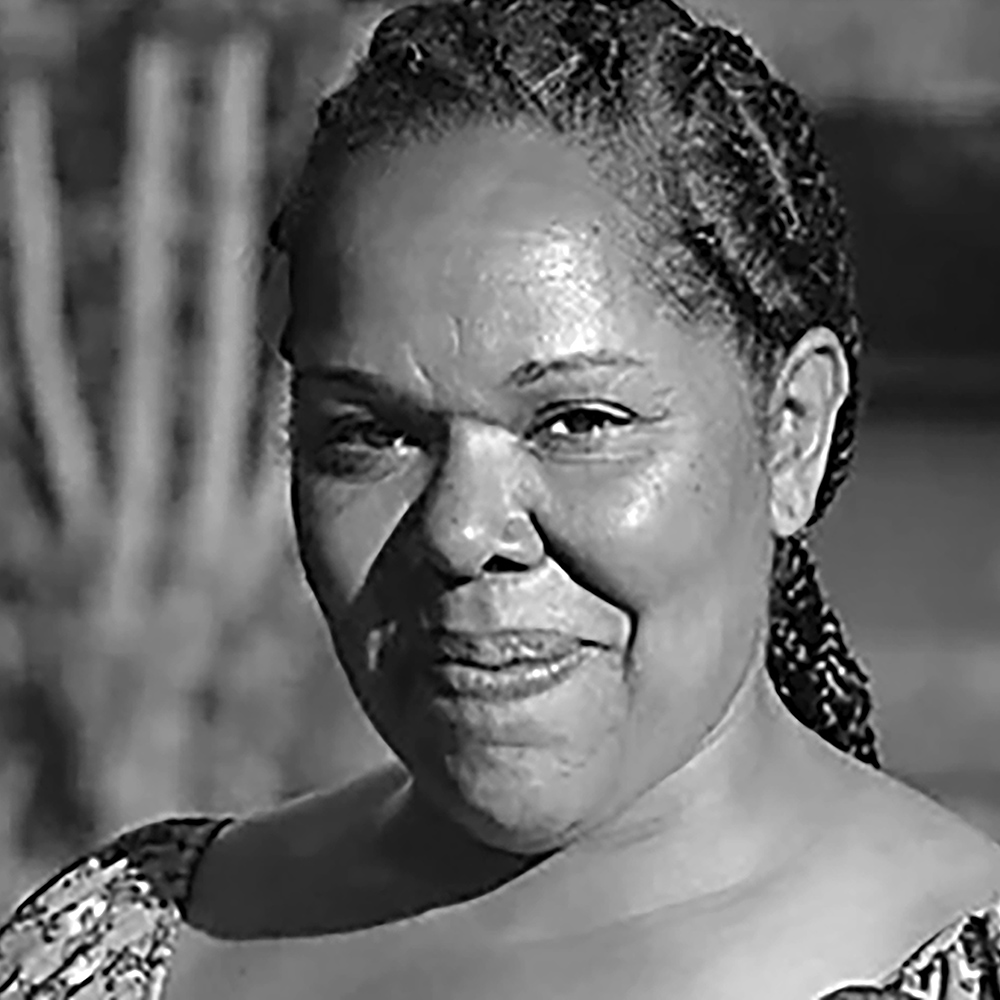
Ruby Daniels
Ruby Daniels is a Natural Resources Specialist with the USDA Natural Resources Conservation Service (NRCS), as well as an herbalist, farmer, and conservationist. She holds a Master of Science in Therapeutic Herbalism, a background that informs her work at the intersection of ecological restoration, plant medicine, and ethical land stewardship. Ruby is also the founder of Creasy Jane, her small Appalachian farm and botanical studio where she manufactures handcrafted soap, herbal teas, and herbal bath products using plants grown on her ancestral land.
Ruby lives and works in Beckley, West Virginia, cultivating forest botanicals and medicinal herbs on land once known as Stanaford City, the original settlement of her family. This deep generational connection to place shapes her commitment to sustainable agriculture, biodiversity conservation, and community-centered land care.
Through Creasy Jane, Ruby blends traditional plant knowledge with conservation ethics, creating offerings and projects that honor the textures, histories, and ecological rhythms of rural Appalachia. Her work emphasizes responsible material sourcing, the preservation of cultural and ecological knowledge, and resisting extractive approaches to both land and culture.
Ruby’s current work explores the tension between preservation and reinvention in Appalachian landscapes, asking how farmers, herbalists, and conservation practitioners can participate in ecological and cultural restoration without romanticizing or commodifying place. Her contributions to the Rewilding Place Symposium reflect her belief that rewilding begins with listening — to land, to people, and to the quiet histories that shape them both.
Elise Sheffield
Elise Sprunt Sheffield is the long-time Program Director for Boxerwood Education Association, a grassroots non-profit organization located just outside Lexington whose mission is “to educate and inspire people of all ages to become environmentally responsible stewards of the Earth.” A Rockbridge native and career educator, Sheffield holds a bachelor’s degree from Brown University and a masters in theology from Harvard Divinity School. A former Peace Corps volunteer (Lesotho, southern Africa), she also holds a 2016 masters in biology/community science education from Miami University (OH). Her Boxerwood colleague, Karen Stanley has called Rockbridge County home since 2001, not long after graduating from Virginia Tech with a B.S. in Forestry and Natural Resources. After almost 20 years with the Virginia Department of Forestry as an Area Forester, joined Boxerwood Education Association in 2021, serving in several roles. She is currently the Garden Steward and Arborist, caring for 20-acres of woodland gardens and The Meadow, Boxerwood’s natural burial ground.

Bill Hamilton
Bill Hamilton has been a member of the W&L faculty since 2001, served as Biology Department Head for eleven years, and is a core faculty member in Environmental Studies. He earned a bachelor’s degree in biology from Syracuse University, a master’s degree in chemical ecology from State University of New York at Buffalo and a doctorate in ecology from Syracuse. His research is based in Yellowstone National Park in collaboration with the National Park Service, investigating the effects of large ungulate grazers (e.g. bison and elk) on interactions with grasses/forbs and soil microbes. He recently was lead co-author on a research article published in Science titled, “Yellowstone’s free-moving large bison herds provide a glimpse of their past ecosystem function.”
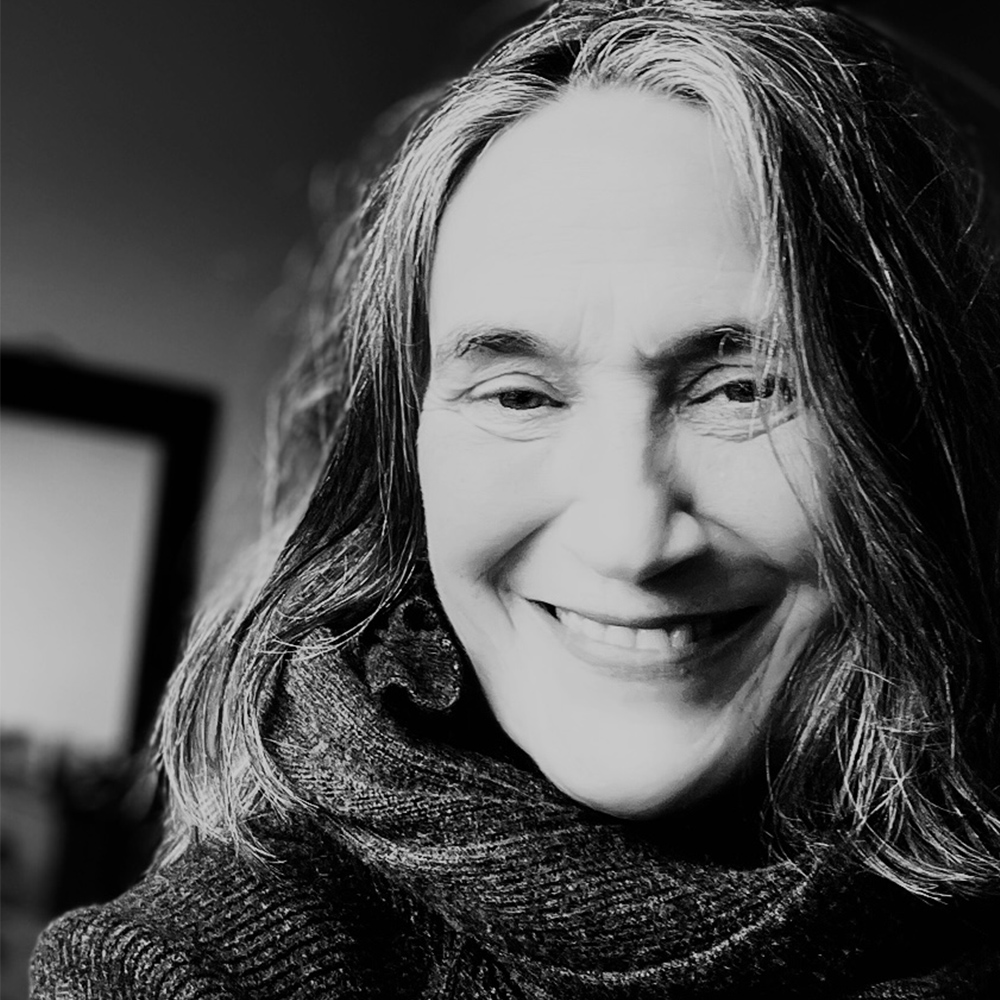
Leigh Ann Beavers
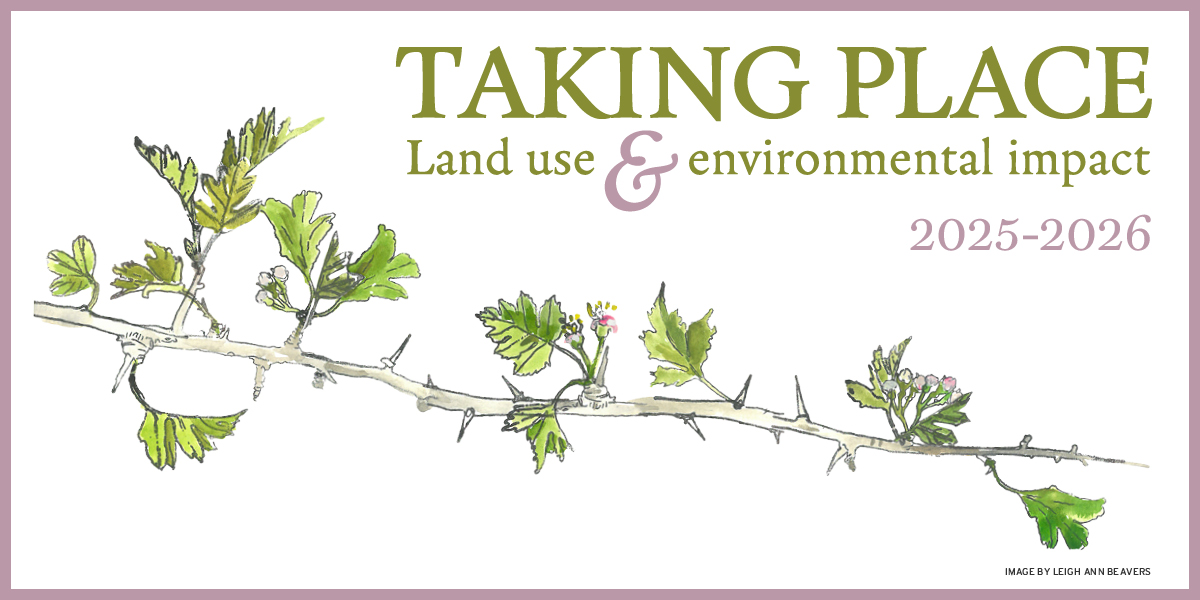
Leigh Ann Beavers is a multi-media visual artist/activist whose work is primarily concerned with ecology and conservation biology. Beavers’ deeply held feeling is that personal experience with the specificity of any particular organism ignites appreciation, and that appreciation fosters preservation. Her 2015-2024 Whitethorn Project, a project documenting the flora and fauna of a small island off the west coast of Ireland, has recently expanded to include the Shenandoah Valley. Beavers’ extensive background as a naturalist and natural history educator informs all aspects of her artistic practice. Beavers earned her BFA in painting and printmaking from Virginia Commonwealth University and her MFA in printmaking from the University of Wisconsin at Madison. She currently teaches in the art and art history department at W&L.
The Mudd Center
-
Washington and Lee University
209 Mattingly House
Lexington, VA 24450