
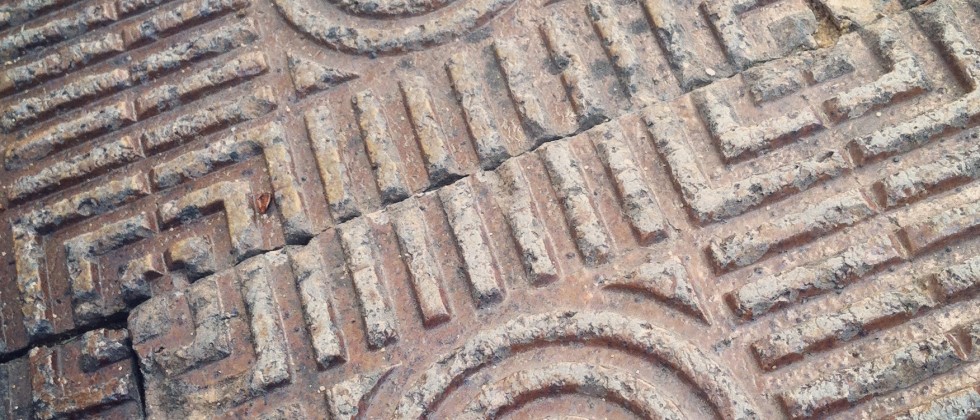
Summer College II: From Stone to Smartphone: “Books” and the Materiality of Reading
June 26-29, 2026
-
Campus Programs
- Tom Wolfe Weekend Seminar: Vigil
- Summer College I: The Founding of an Independent Nation at 250
- Summer College III: Family Adventure in Theater: Puppetry & Performance
- Summer College II: From Stone to Smartphone: “Books” and the Materiality of Reading
- Law and Literature Weekend: The Round House by Louise Erdrich
- Accommodations and Dining
- Additional Program Information
- Past Programs
- Travel Programs
- Online Programs
Register for Summer College II: From Stone to Smartphone
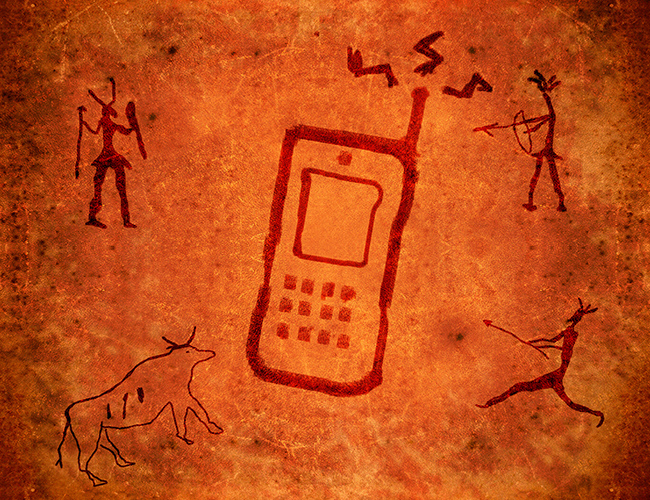
The program will also see the book through to the 21st century, a time when digital innovation — and AI — have changed reading experiences forever. This program falls during the yearlong celebration of the 250th anniversary of the University Library. Participants will have opportunities to explore the treasures of Special Collections and Archives and learn more about the history of one of the oldest libraries in the country.
Program Cost: $500 per person
On-campus Housing (private room in dormitory setting): $25 per person per night
On-campus Guest House Accommodations (first-come, first-served):
- Morris House: $80 per night
- Belfield: $95 per night
To reserve guest house accommodations, please call Lifelong Learning directly, as these rooms cannot be reserved online.
Speakers


Mackenzie Brooks
Associate Professor and Digital Humanities Librarian
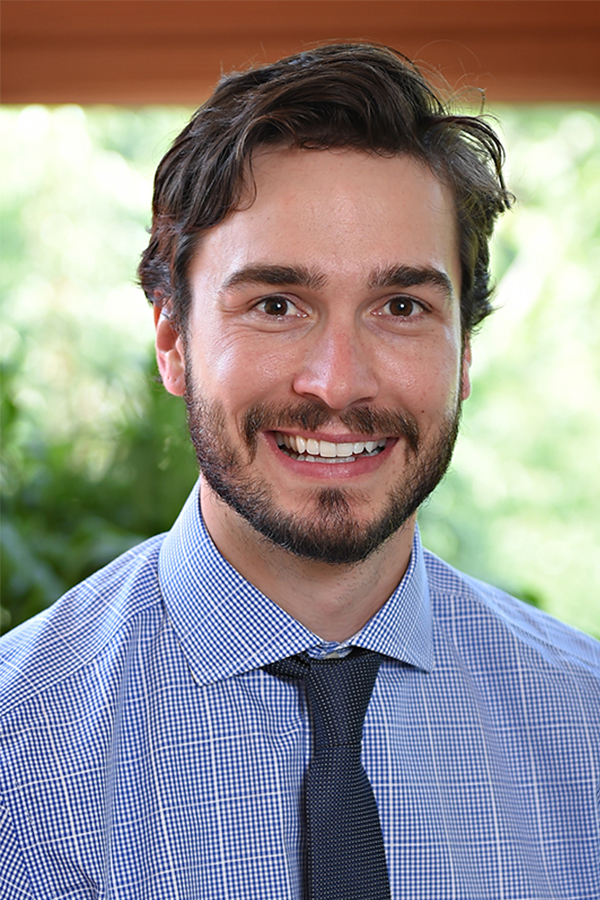
Caleb Dance
Associate Professor of Classics
-
Campus Programs
- Tom Wolfe Weekend Seminar: Vigil
- Summer College I: The Founding of an Independent Nation at 250
- Summer College III: Family Adventure in Theater: Puppetry & Performance
- Summer College II: From Stone to Smartphone: “Books” and the Materiality of Reading
- Law and Literature Weekend: The Round House by Louise Erdrich
- Accommodations and Dining
- Additional Program Information
- Past Programs
- Travel Programs
- W&L at Home
Lifelong Learning
- P: 540-458-8723
- E: lifelong@wlu.edu
-
Lifelong Learning
Washington and Lee University
204 W Washington Street
Lexington, VA 24450