
Williams School Sustainability Tour
Building for the Future
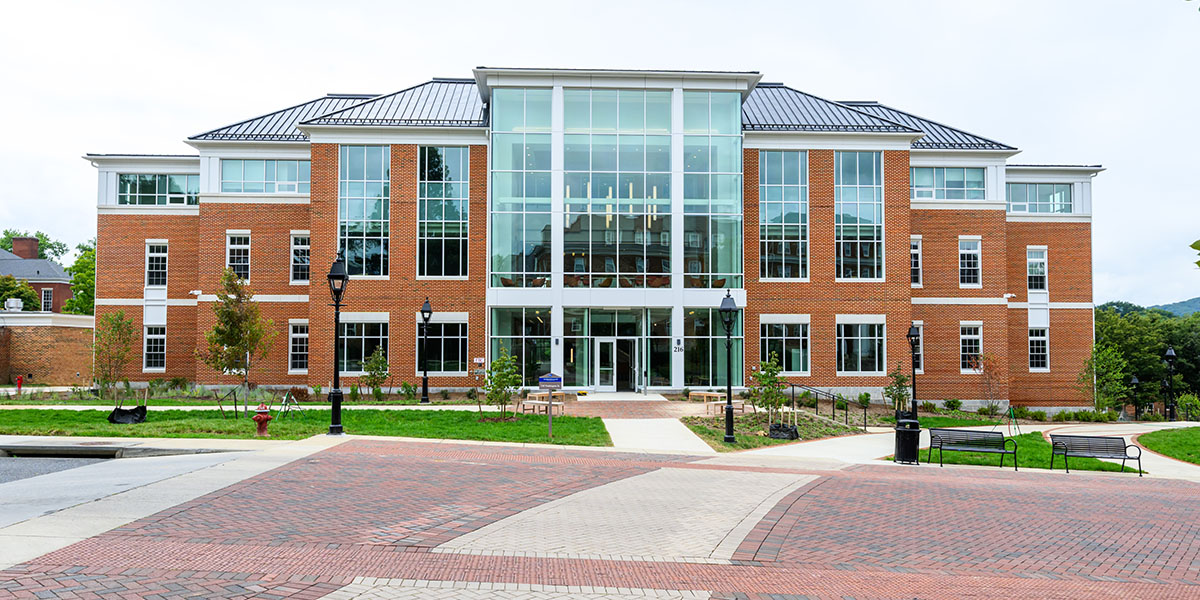
The Williams School “values forward-looking, adaptive, and cutting-edge approaches to molding responsible and engaged global citizens.” These values are not just taught in the Williams building, they are embodied in its very construction.
The forward-looking Lifecycle Assessment approach to the building design studied not just the operational impact and cost of materials and equipment today, but over the entire life of the building, ensuring decision-making that prioritizes the best environmental outcomes and the best value for the duration of its use. Adaptive use of the building site, once home to first-year dorms, preserved untouched campus spaces, while adaptive landscaping reduces the need for irrigation, chemicals, and fertilizers. The building’s cutting-edge heat recovery chiller contributes to a 37% building energy savings over standard code. Heating and cooling design in the building is also at the cornerstone of W&L’s transformational utility upgrade that will replace aging steam infrastructure at the end of its useful life with a low-temperature hot water system that will greatly increase campus heating efficiency and ultimately reduce greenhouse gas emissions from fossil fuels to near zero. Reflections of global citizenship range from the use of low-carbon materials to the 96.5% landfill diversion rate achieved during construction, protecting global neighbors from both harmful production and disposal.
Using U.S. Green Building Council’s LEED certification as a framework, the Williams Building was designed to support human health, environmental health, utility cost efficiency, and infrastructure longevity. The design process presented a real-world exercise in considering the big picture, and a special opportunity to build for the future.
Sustainability Tour
Take a sustainability tour of the new Williams School building at Washington and Lee University.
Landscape
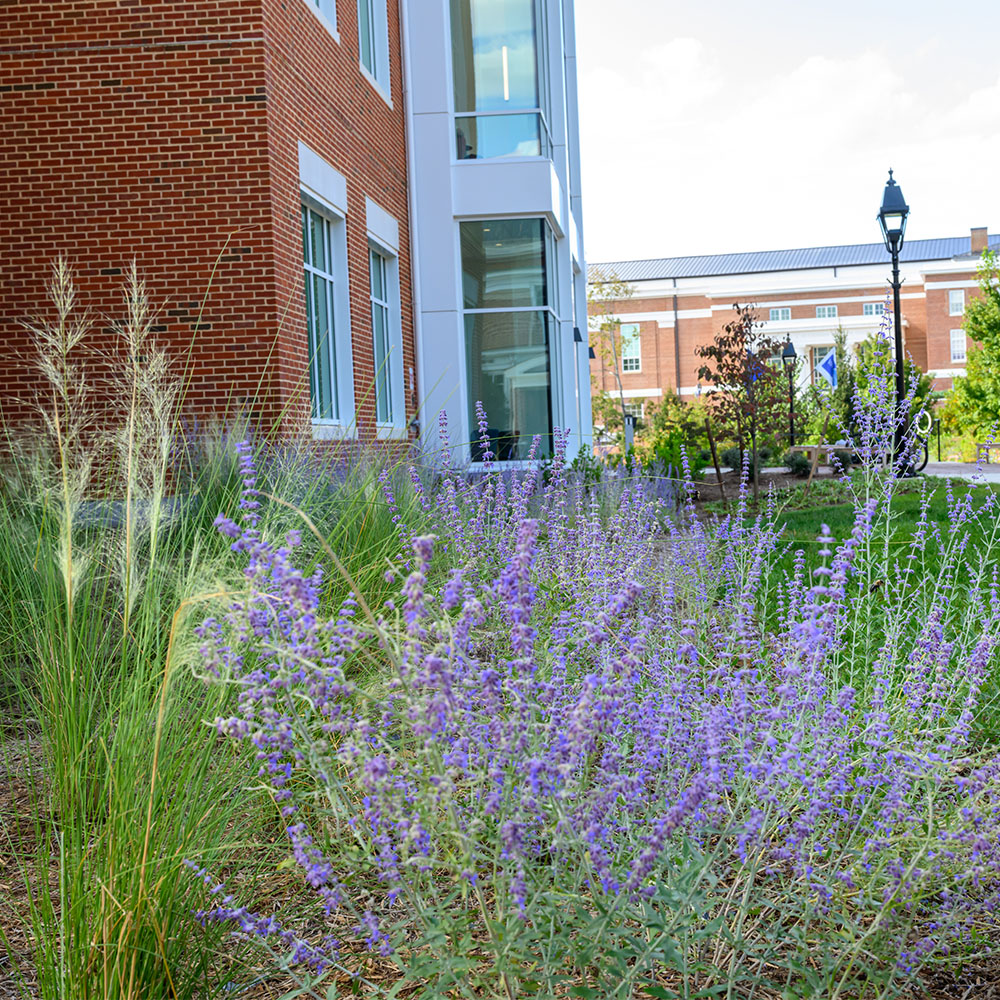
Landscaping on this site features native and pollinator friendly plants. Naturally adapted to our local environment, native plants can thrive without irrigation, fertilizers, or other chemical intervention, reducing waste and harmful impacts. In addition, they support local ecology, providing food and shelter for native birds and insects. Over 47% of the open site is vegetated. Plantings include black tupelo, mountain mint, tickseed, mountain laurel and red oaks.
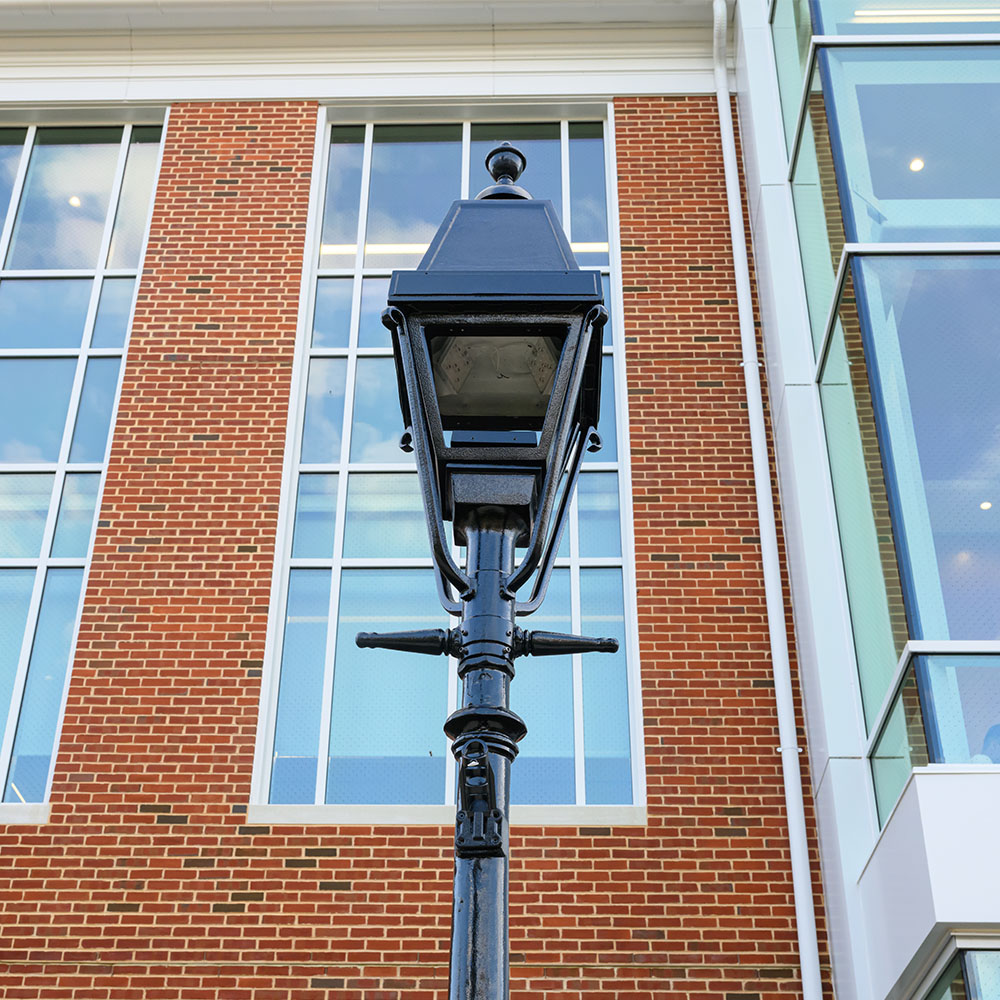
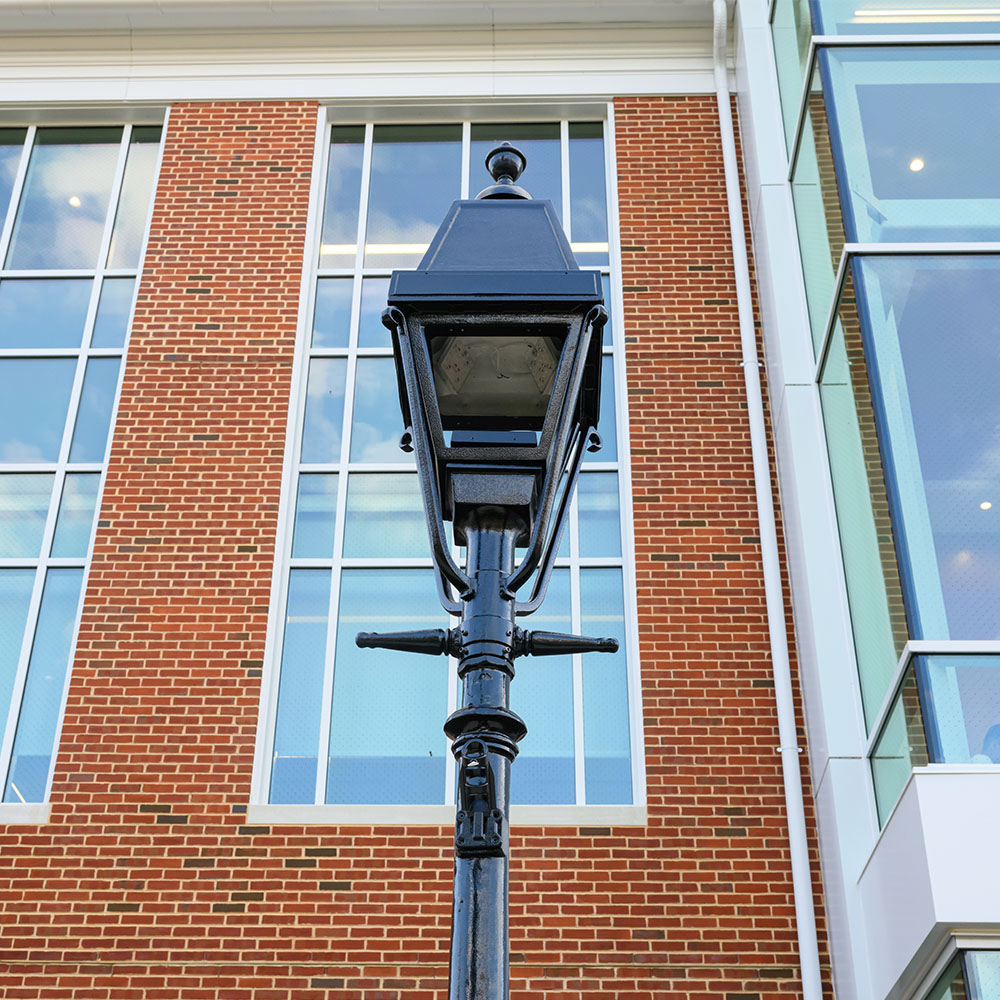
Exterior Lighting
All exterior light fixtures at the Williams building meet Dark Sky requirements for the reduction of light pollution. These angled fixtures contain light to where it is needed and use a warm color temperature that limits disruption to natural systems. Research shows that artificial night light is harmful to plants and animals that depend on the natural day/night cycle, including humans. Light pollution has been shown to harm human health, linked to depression, diabetes, breast cancer, and sleep disorders. Dark Sky compliant lighting provides the necessary safety lighting without the harm of incidental glare.
Stormwater Management
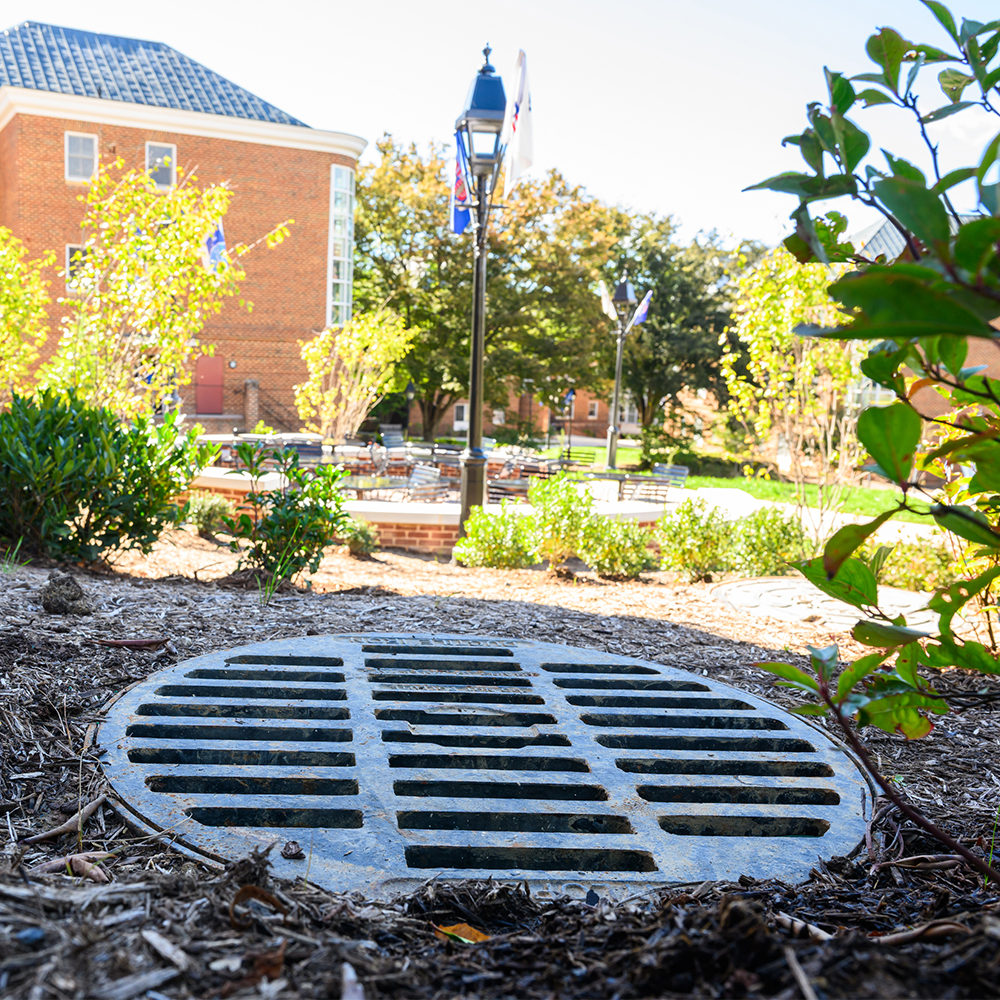
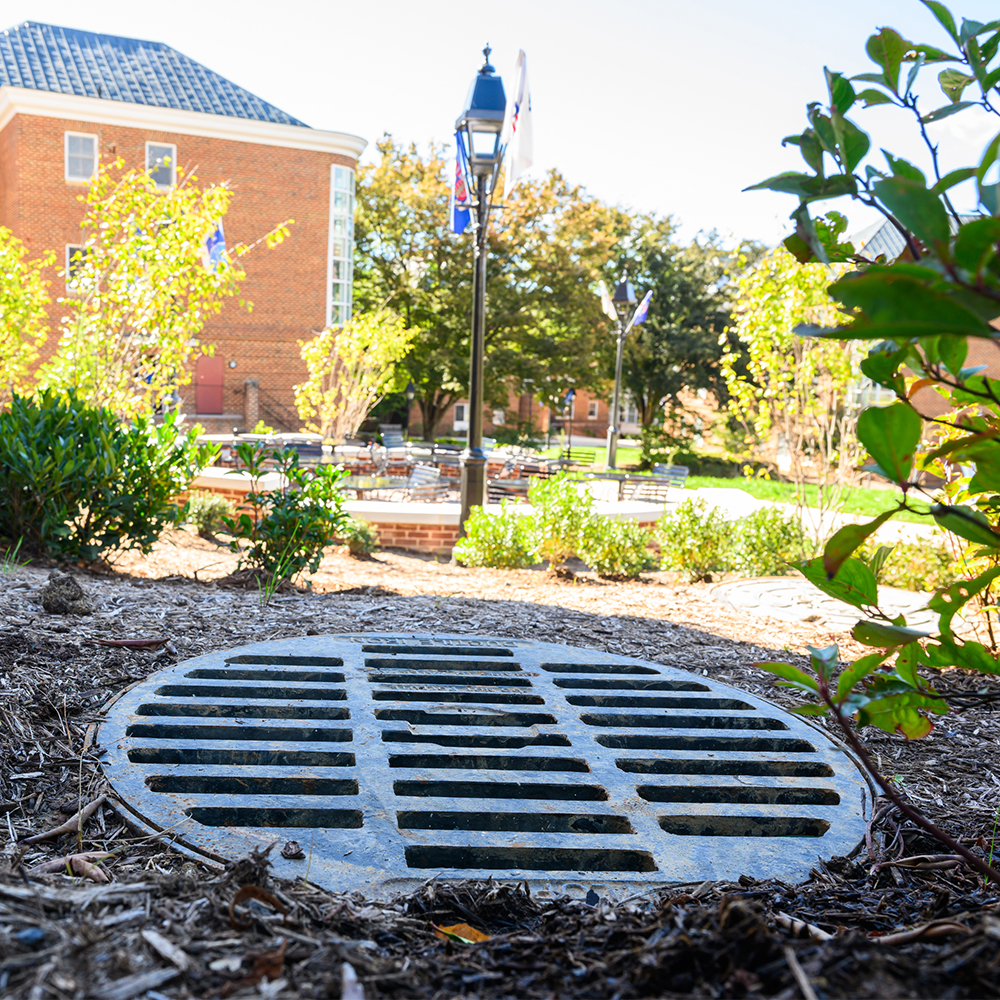
Large stormwater detention systems buried underground collect stormwater during intense rainfall events and allow it to be released in a controlled manner. This slows the flow of water that, unimpeded, can overwhelm sewer systems and inundate Woods Creek with water carried from roads and rooftops where it has collected debris, gasoline, fertilizers, and other pollutants that can compromise the creek and ultimately the Chesapeake Bay watershed.
FSC Certified Finishes
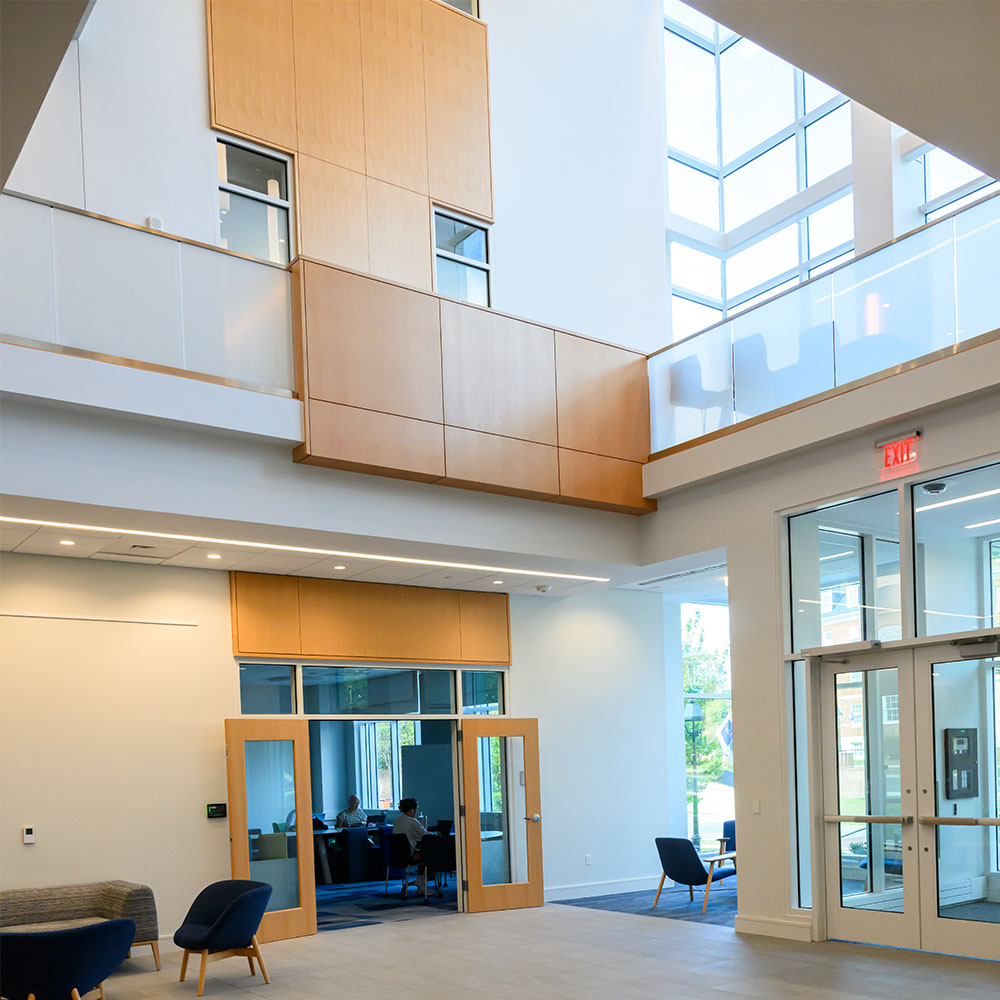
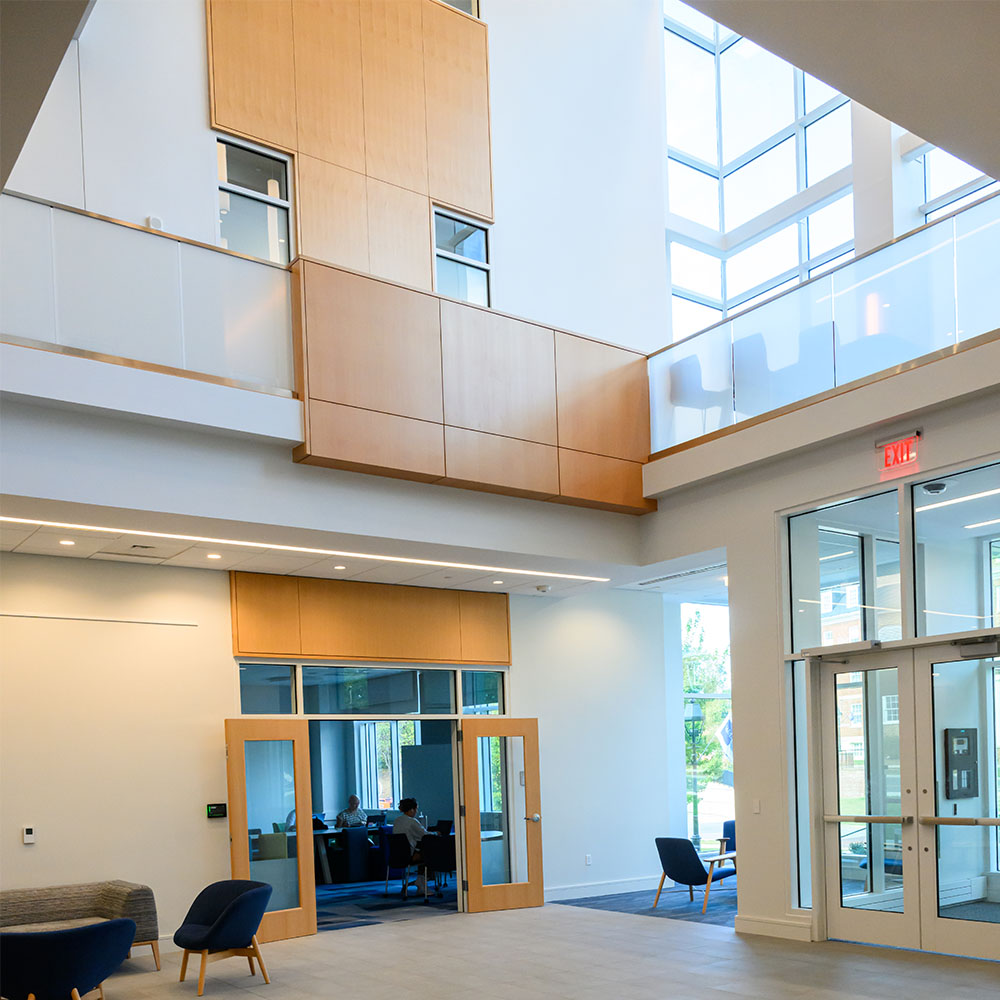
Forest Stewardship Council (FSC) wood products used throughout the building are tracked from source to installation and verified as harvested and produced with methods that prevent deforestation and forest degradation, increase biodiversity protection, and respect worker and local community rights. FSC standards prioritize the protection of older trees – valuable for carbon sequestration, prohibit the use of pesticides and herbicides known to be harmful, require substantial riparian buffers to protect water quality in harvest zones, and fight illegal logging in conservation areas.
Indoor Air Quality
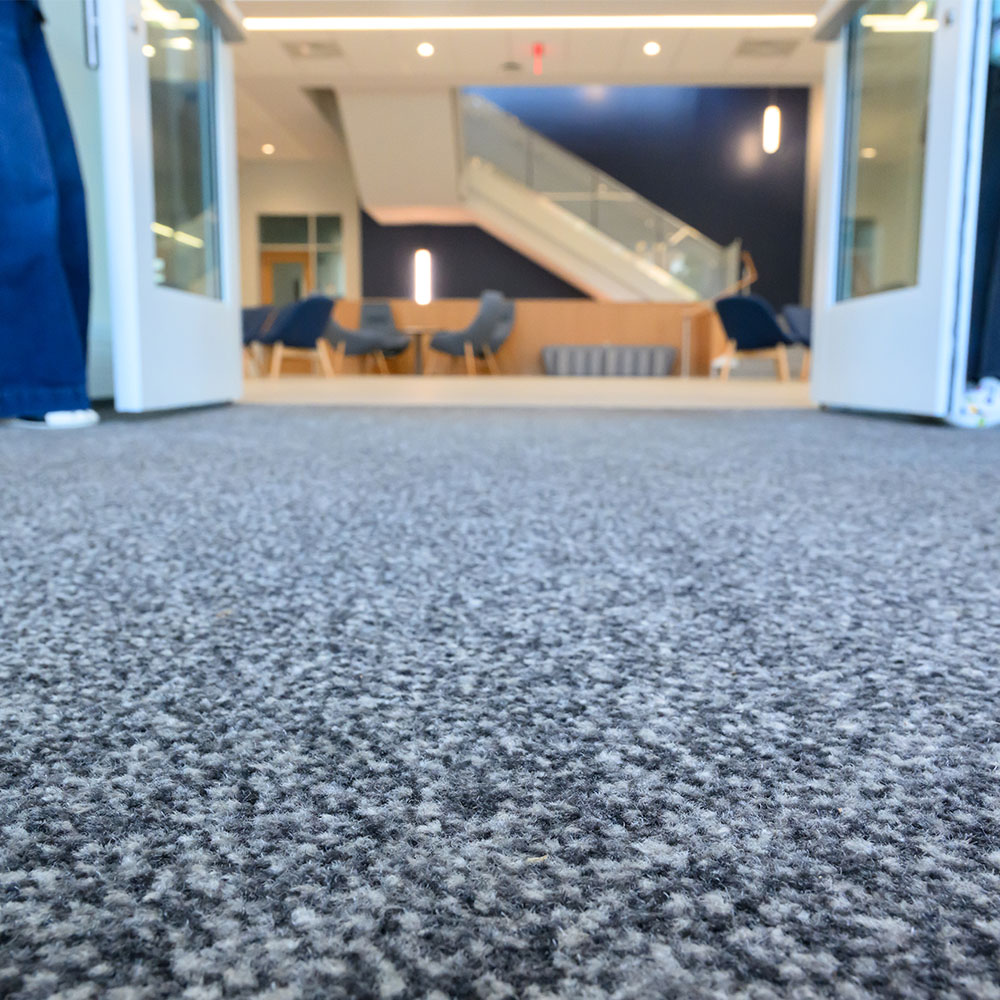
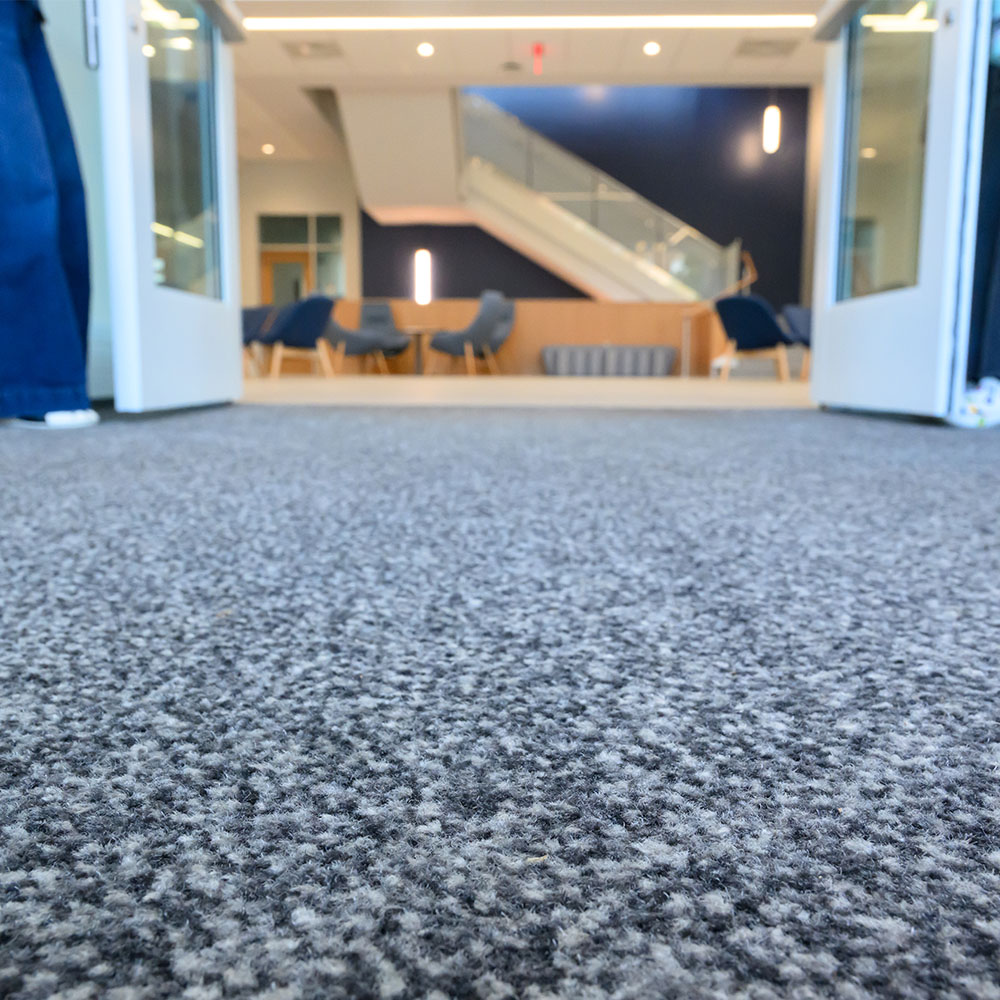
Sustainable building criteria promote a healthy environment for all – that includes creating a healthy human learning environment. Interior paint with low or no Volatile Organic Compounds (VOCs), extended vestibule walk-off mats designed to catch contaminants before they enter the building, a full post-construction building “flush” of high volumes of outside air, and CO2 monitors that ramp up fresh air intake when spaces are fully occupied are some of the ways indoor air quality is protected in this building. The significant natural day light and access to views of the outdoors incorporated into the design also support human health, well-being, and focus, according to research.
Water Conservation
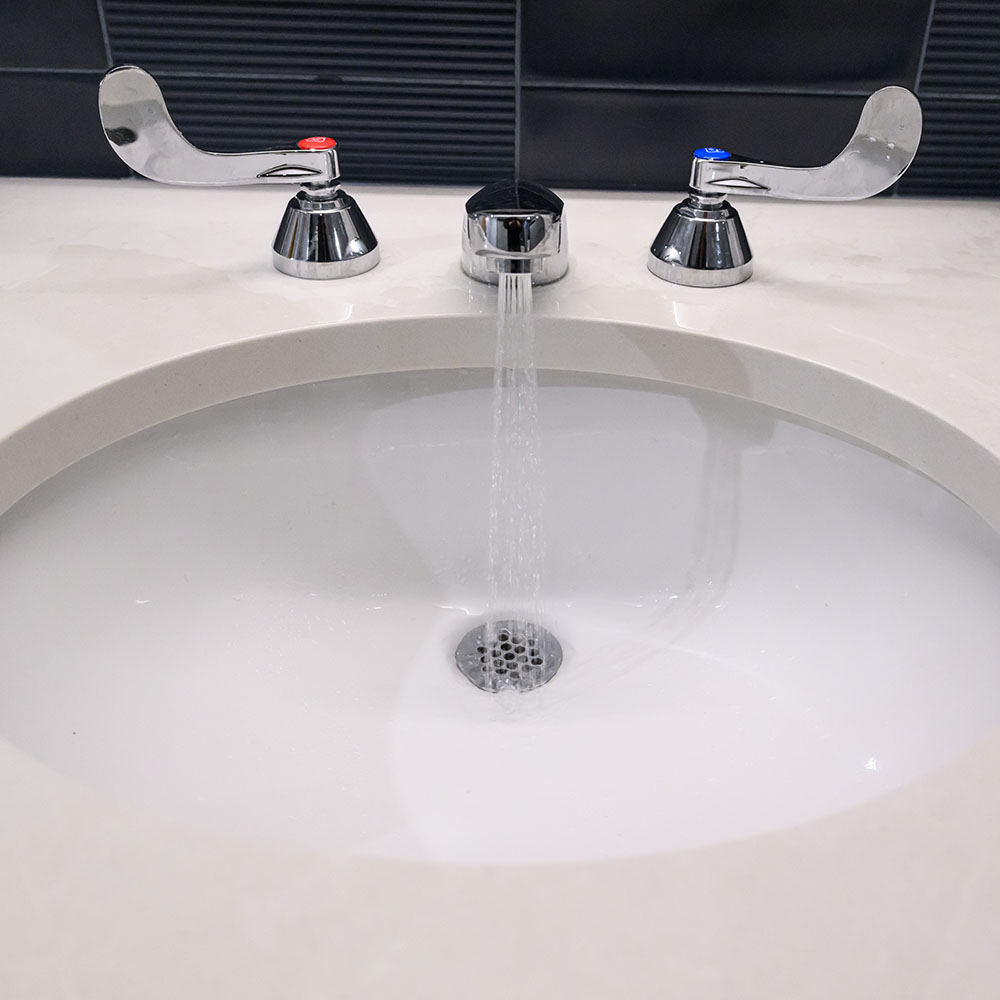
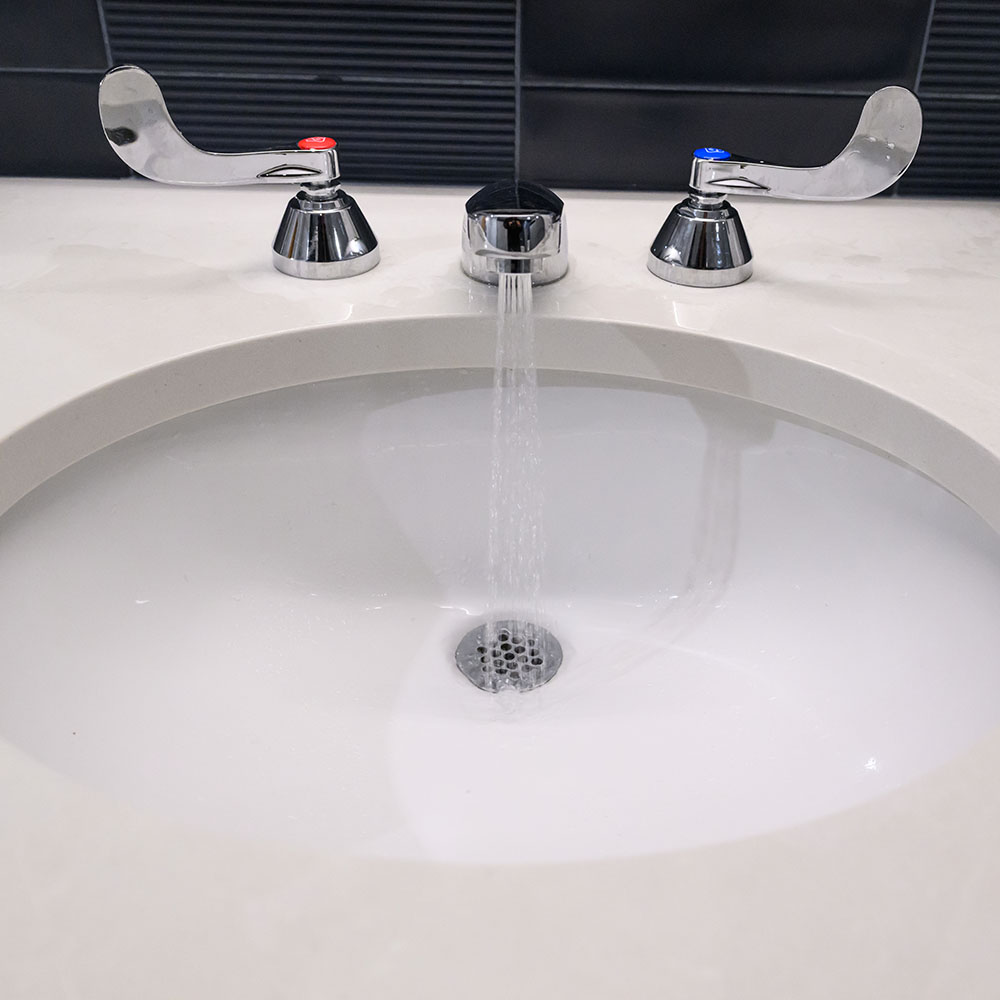
By using low-flow fixtures throughout the building’s plumbing, the Williams building uses 38% less water than buildings with standard fixtures. This not only reduces water consumption, but it reduces the energy and chemicals required to treat wastewater at our local Maury River Service Authority. The lack of on-site irrigation, made possible by the sustainable landscape plan, is another important water conservation feature that relies on natural systems, not retail utilities, to meet our needs. As concerns about reliable access to clean water rise right along with costs (water rates are rising faster than any other university utility), water conservation is part of responsible environmental and financial management.
Bird Safe Glass
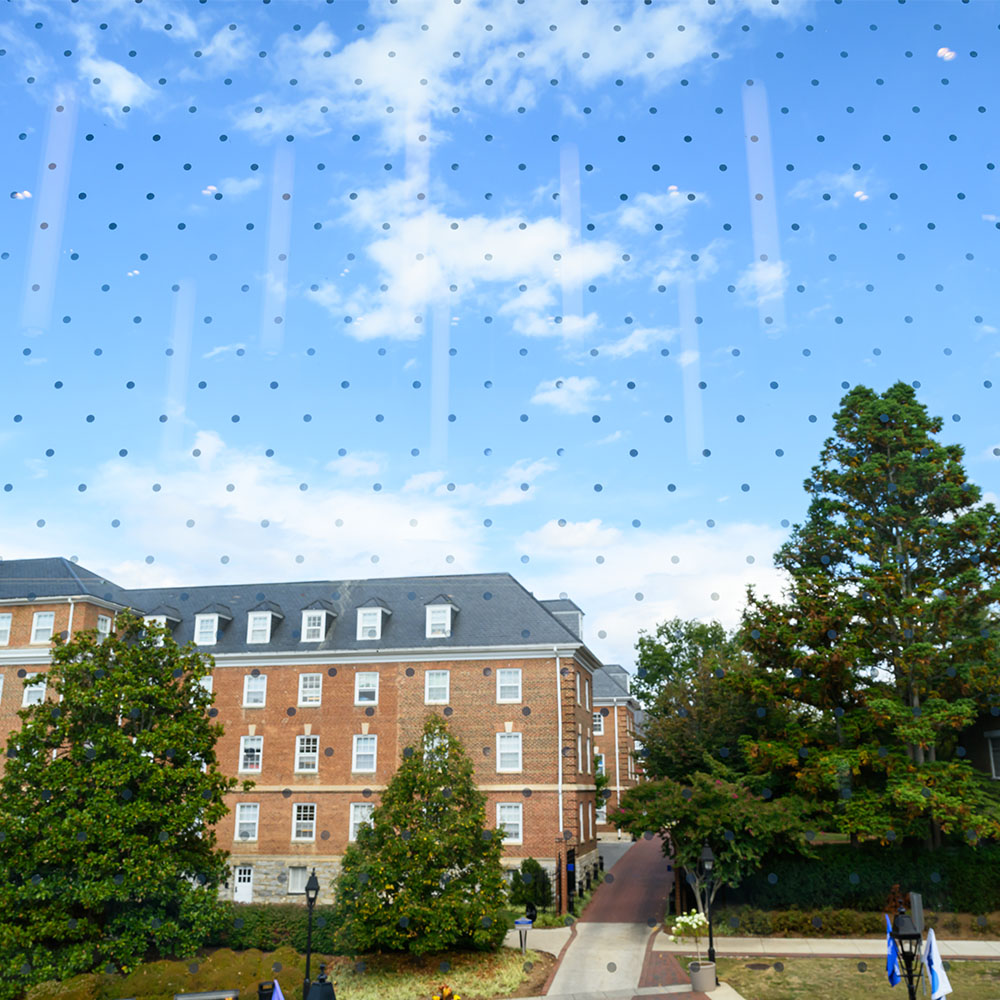
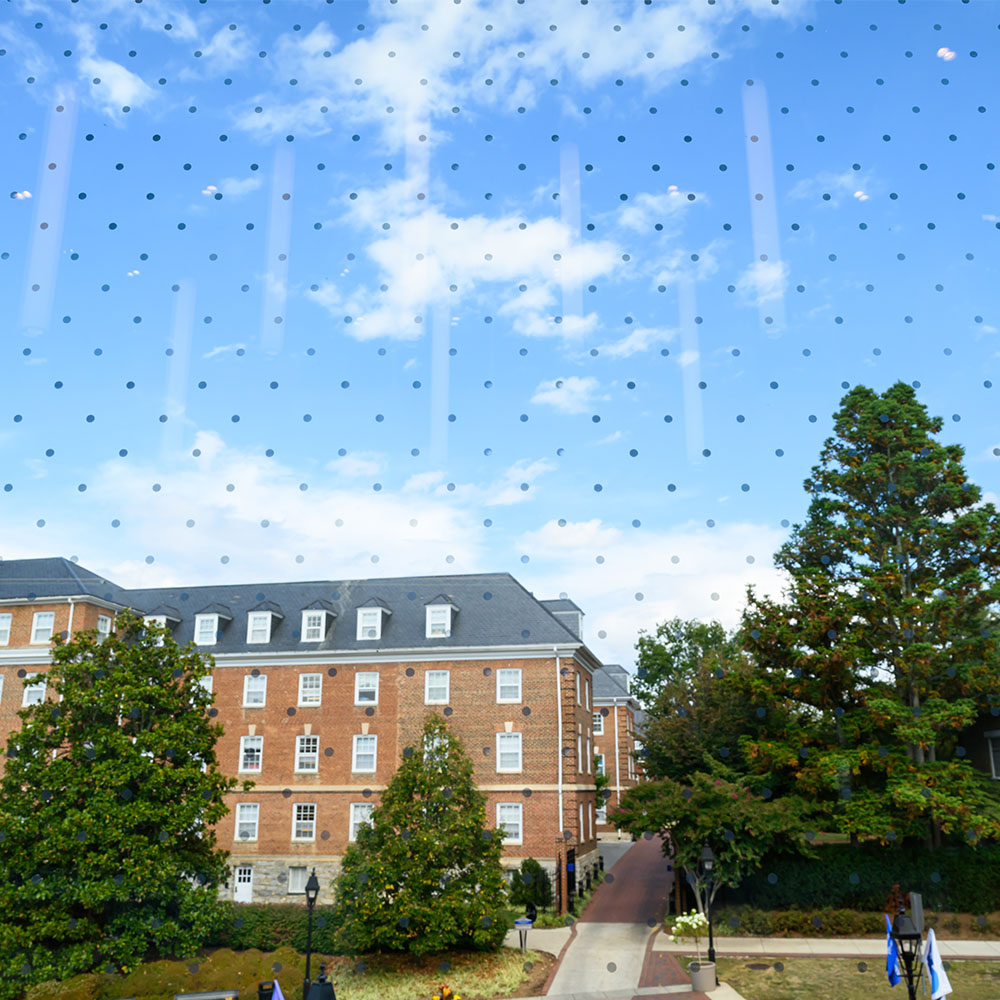
Vast expanses of glass in a building offer many benefits to humans, and some serious risks to birds. Confused by reflected images during the day and light emission at night, billions of birds are killed colliding with windows every year. The polka dot pattern on the large glass panes in the Williams building is not just for fun, it’s a research-based design to help birds avoid collision. The benefits extend beyond protecting the birds. Birds eat insects and rodents, helping to control pests, they spread seeds, boosting forest and grassland regeneration, and many serve as pollinators, increasing agricultural yields and contributing to an overall healthy ecosystem.
Energy Efficiency
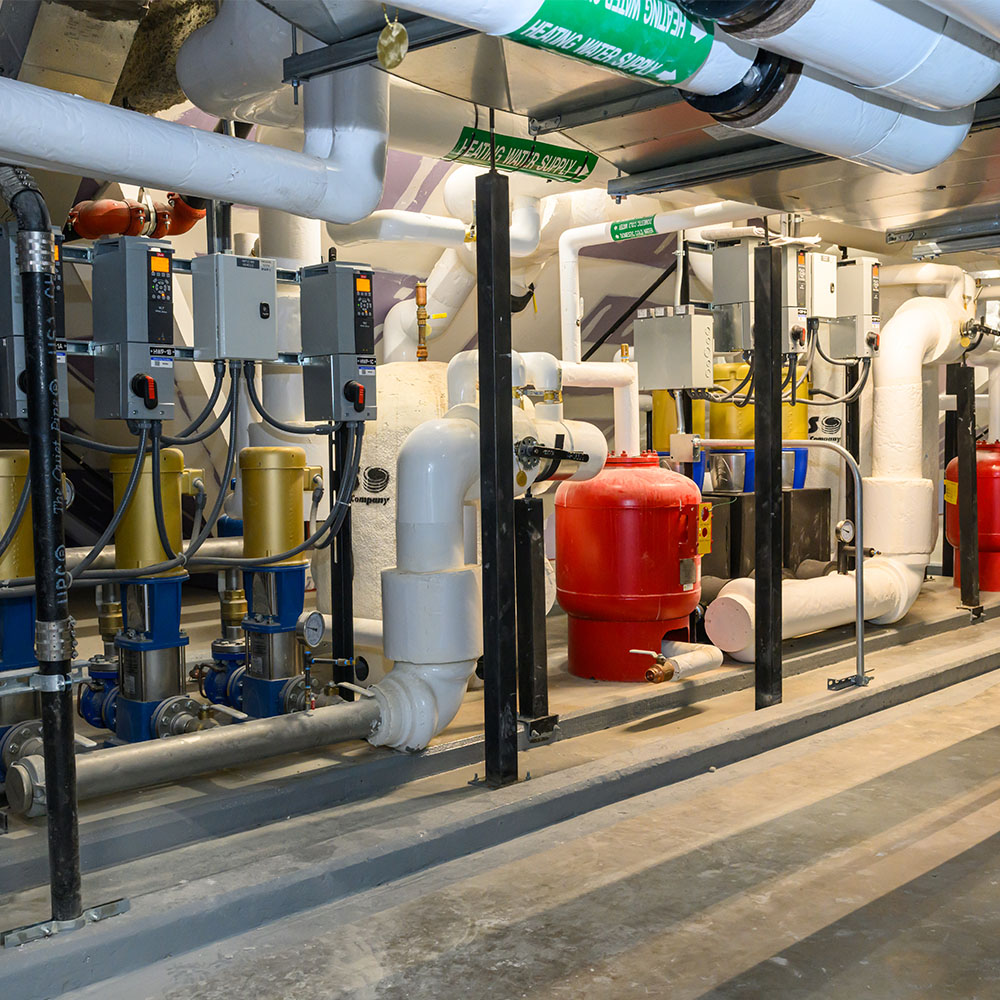
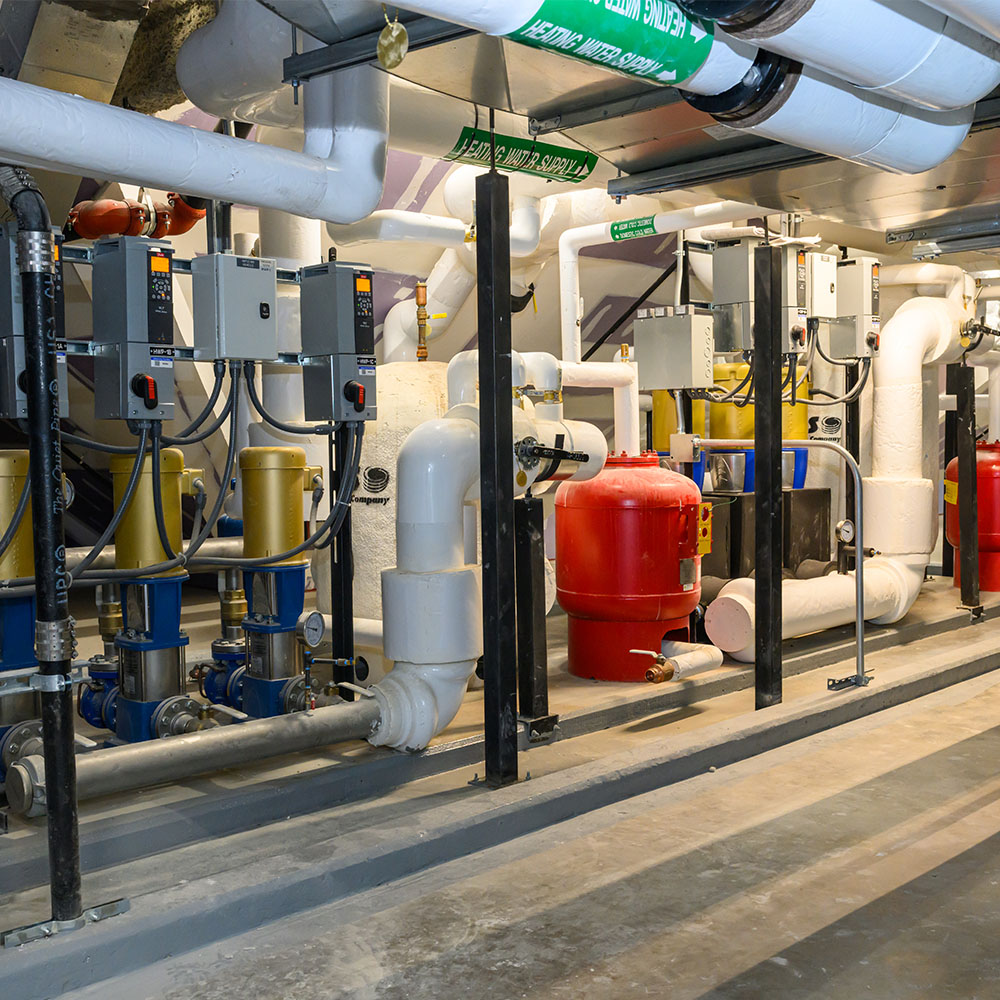
Energy efficiency is at the heart of responsible design, reducing greenhouse gas emissions and utility costs, and extending equipment life through reduced wear. It can even reduce labor costs as everything from lightbulbs to fan motors requires less maintenance and less frequent replacement. The Williams building offers a 37% energy cost reduction compared to a baseline model building. Classic energy saving features, like superior insulation in exterior walls, are combined with innovations at the cutting edge of efficiency technologies, like the heat-recovery chiller, which uses rejected heat/cooling from other campus buildings to condition building spaces.
This is also the first campus building designed for service by Low Temperature Hot Water heating as we transition to that technology from our aging high pressure steam delivery systems. This transformational utility upgrade will improve the efficiency of campus heating immediately, and will ultimately allow for the elimination of fossil fuels in our campus heating plant: the final step in our campus journey to net zero energy emissions.
Waste Management
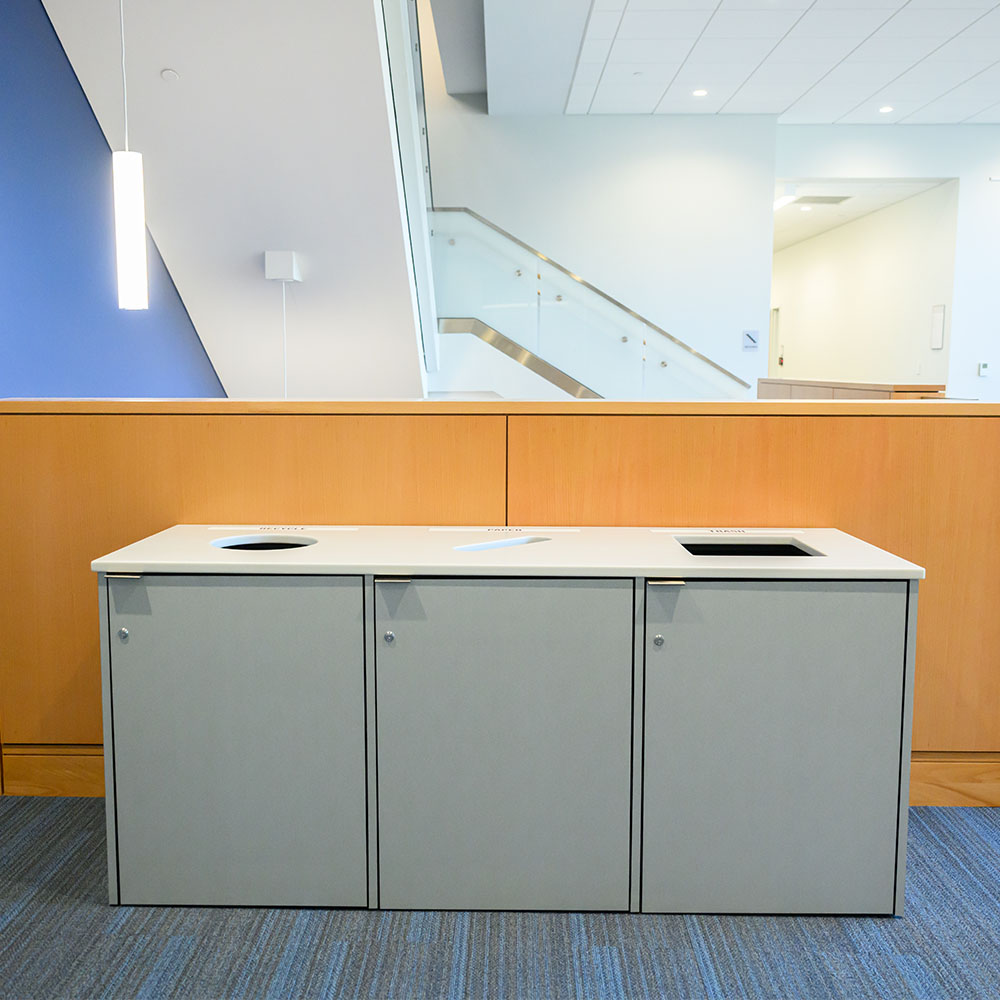
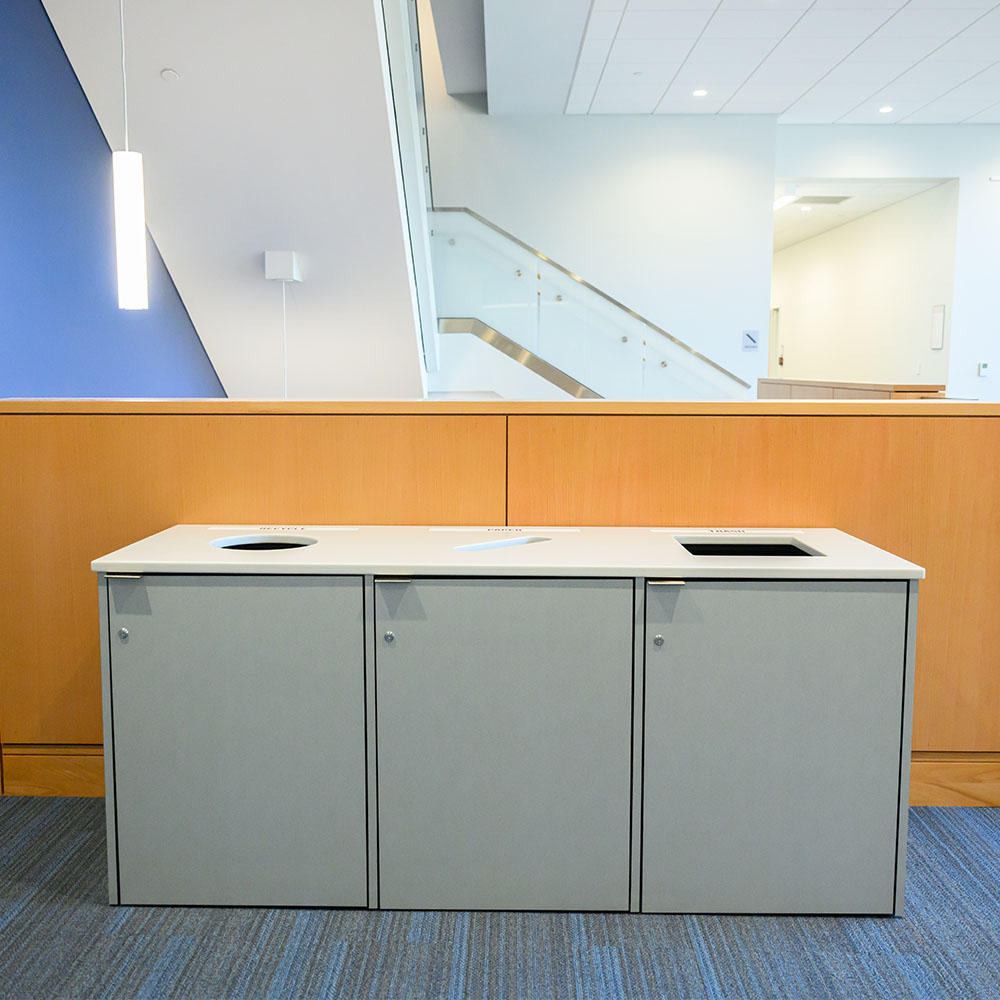
Waste collection is centralized in stations throughout the building, replacing small bins in individual classrooms. “Saddle style” waste bins in offices prioritize recycling bins, with small attached containers for incidental trash. Research shows these models reduce litter in classrooms, improve recycling rates, and further cut waste, cost, and labor by eliminating the need for daily replacement of dozens of small bin liners.
Single-stream recycling for plastics 1&2, cardboard, paperboard, paper, and aluminum is available at each central waste station, and compost collection is available in the faculty break room/mail room.
During building construction, an outstanding 96.5% landfill diversion rate was achieved.
Responsible waste management in the Williams Building contributes to W&L’s goal of a 20% reduction in landfill waste by 2029. In addition to our mixed recycling program, campus waste reduction efforts include Responsible Purchasing Guidelines, our campus re-use “store,” the W&L Exchange, an E-waste program, and the largest university on-site compost program in Virginia.
For more information about sustainability efforts at Washington and Lee University, please contact Jane Stewart, Director of Sustainability.