History and Evolution

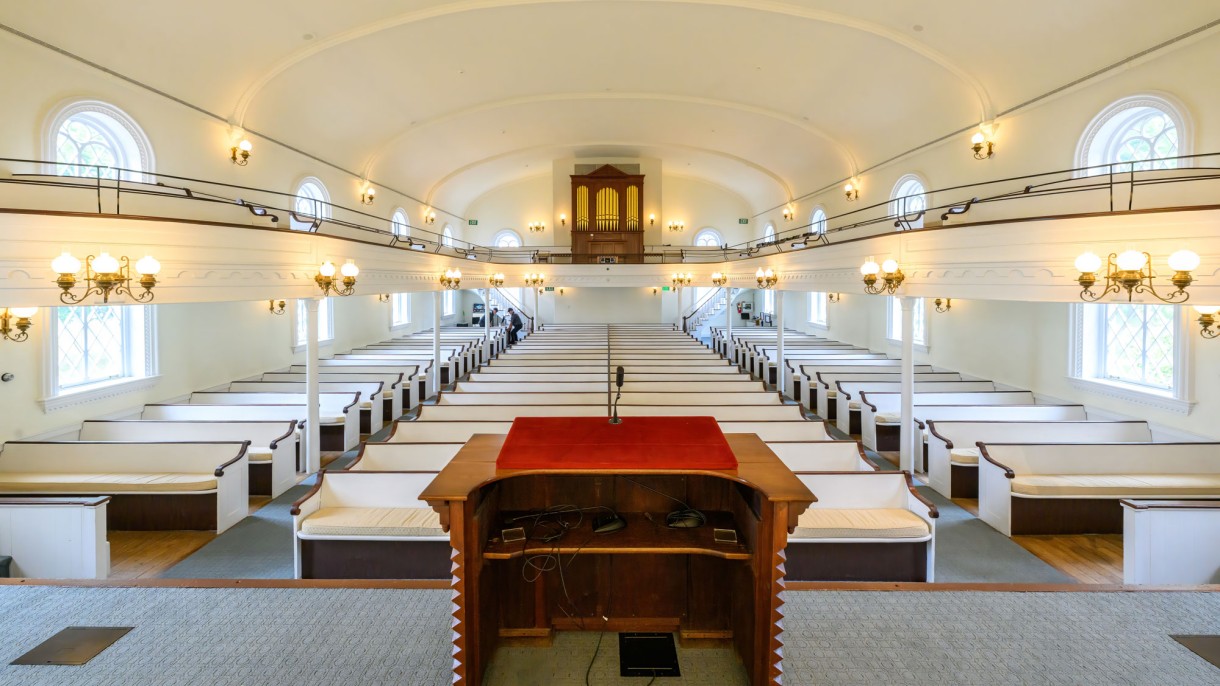
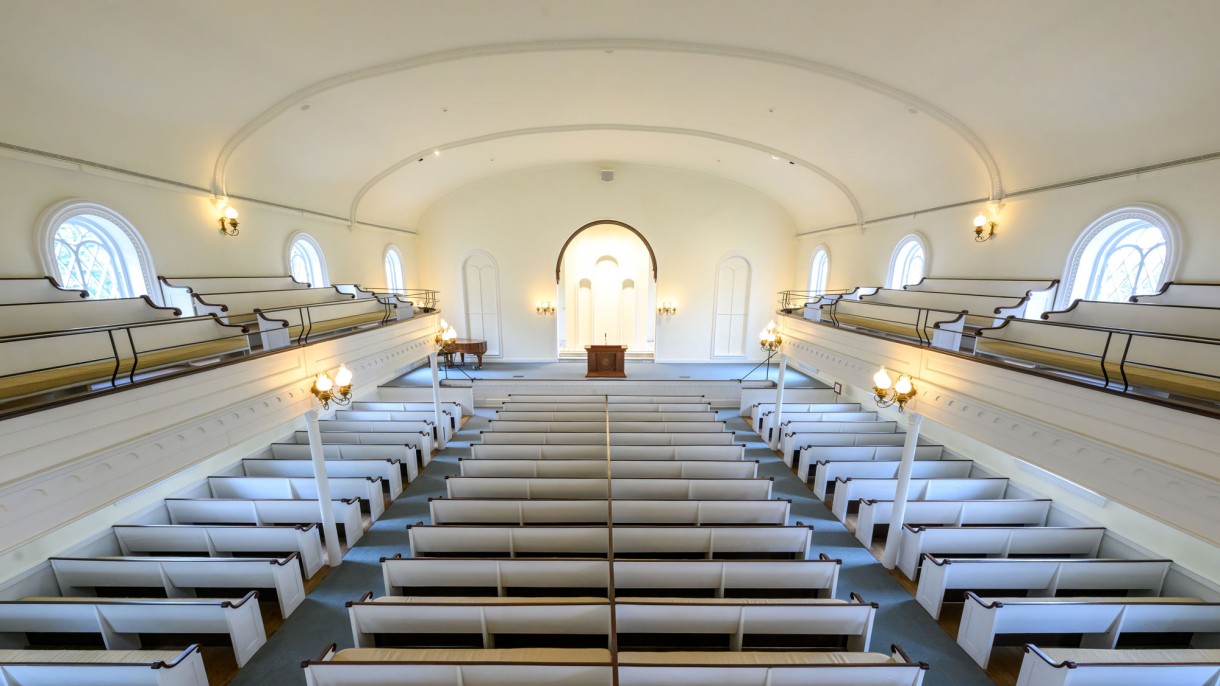
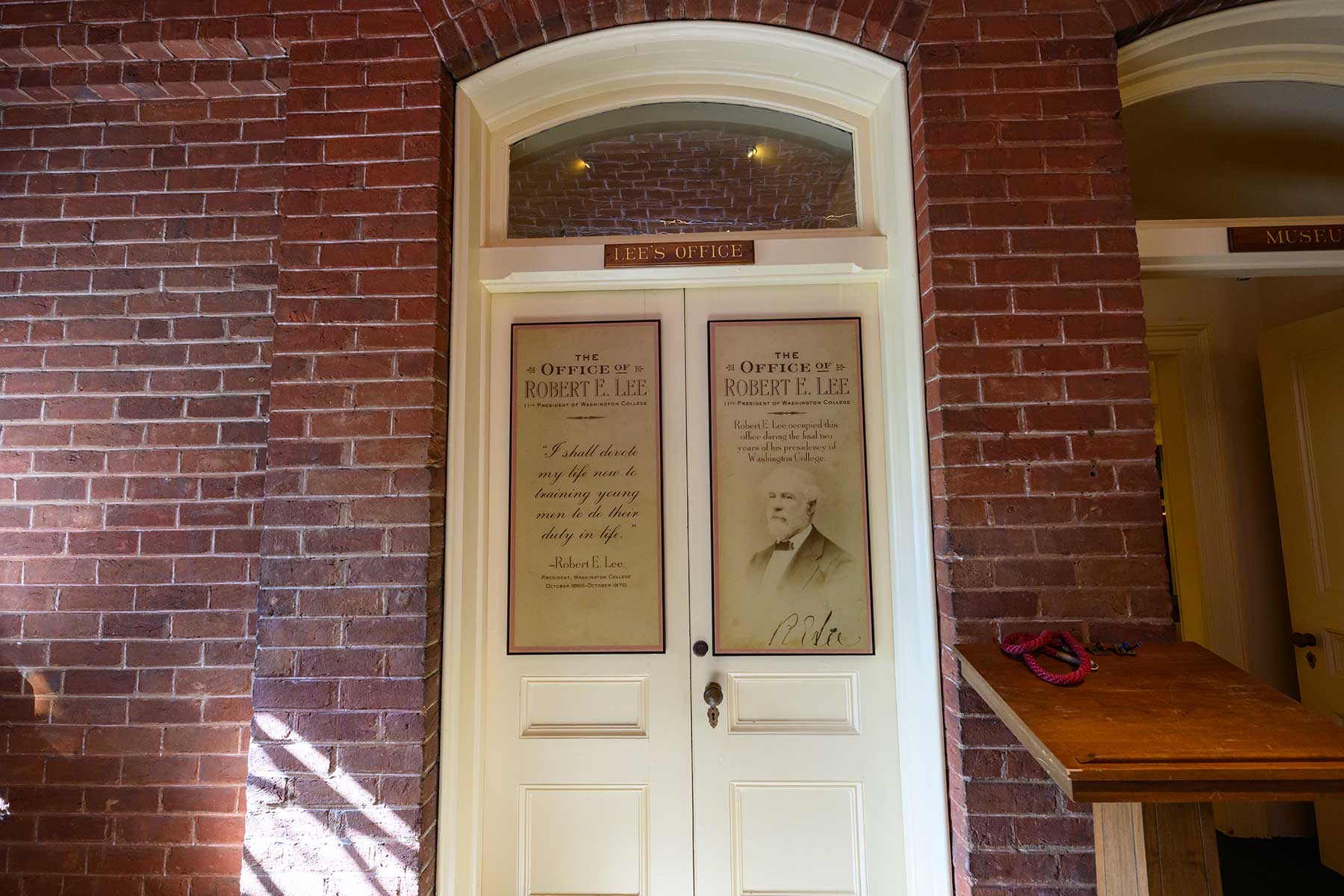
Washington College began construction on the chapel in 1867 at the request of Robert E. Lee, who served as president of the institution from 1865 until his death 1870. Lee’s son, George Washington Custis Lee, may have proposed the simple Victorian design; Col. Thomas Williamson drew up the plans and specifications. Both men were professors in the engineering department of neighboring Virginia Military Institute. Built of brick and native limestone, the building was completed in time for graduation exercises in 1868 and was known as “the College Chapel.” Lee attended weekday worship services in the building with the students, and the lower level housed his office, the treasurer’s office and the YMCA headquarters (student center).
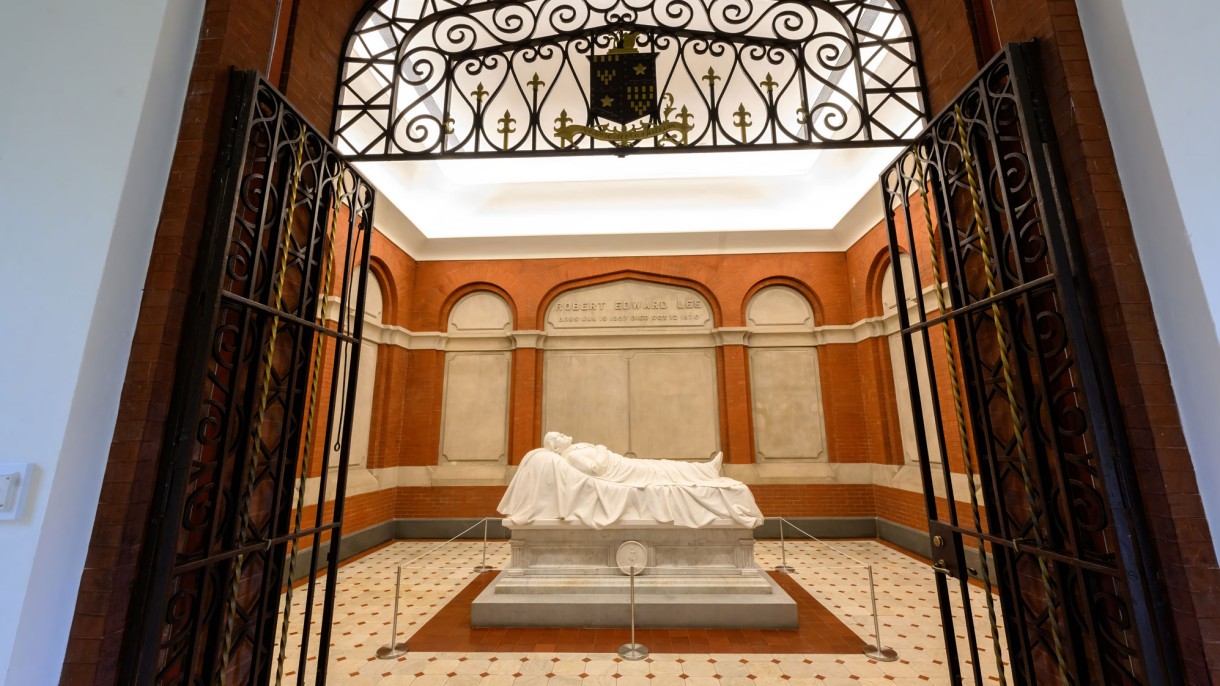
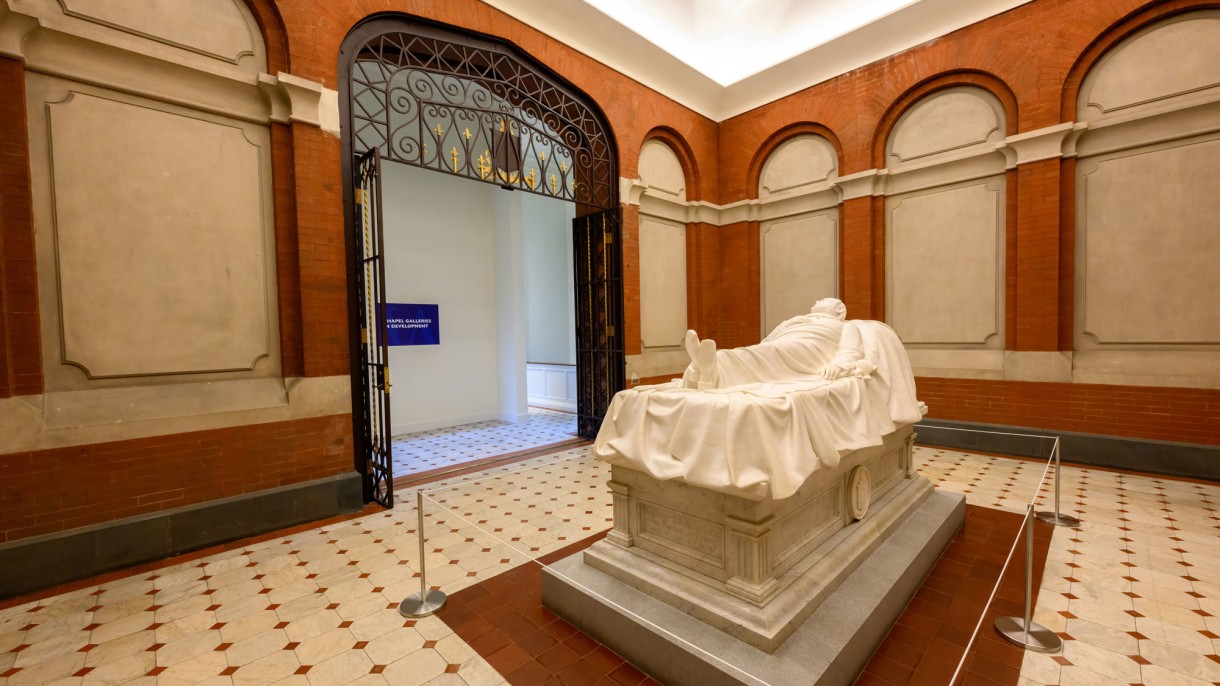
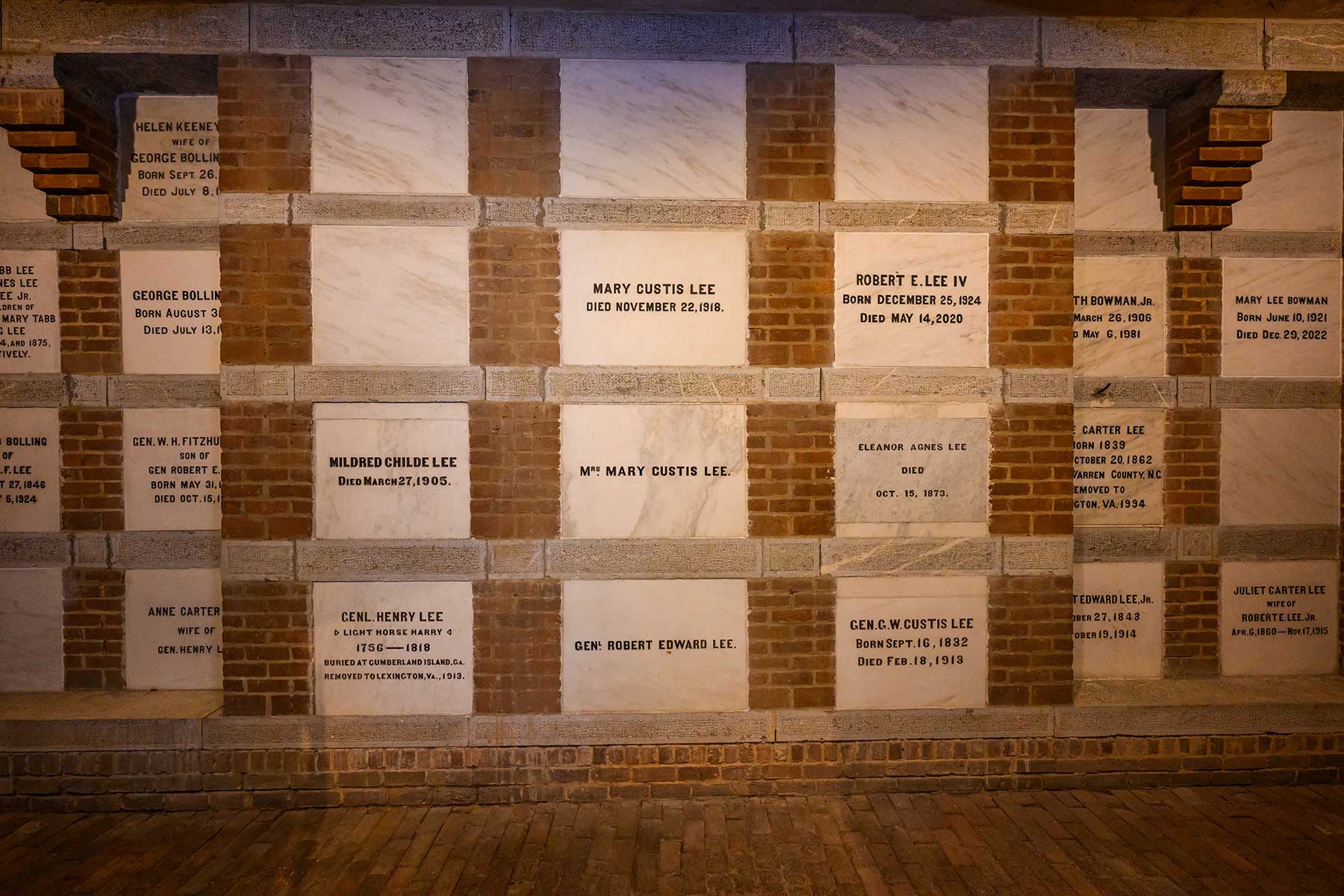
Lee died on Oct. 12, 1870, and was originally buried beneath the chapel. In 1883, the college made an addition to the building to house the memorial “Recumbent Lee” sculpture by Edward Valentine and a family crypt in the lower level, where the president’s remains were moved. His wife, mother, father ("Light-Horse Harry” Lee), all of his children and other relatives are now buried in the crypt as well. The remains of his well-known horse, Traveller, are interred in a plot outside the entrance to the Chapel Galleries.
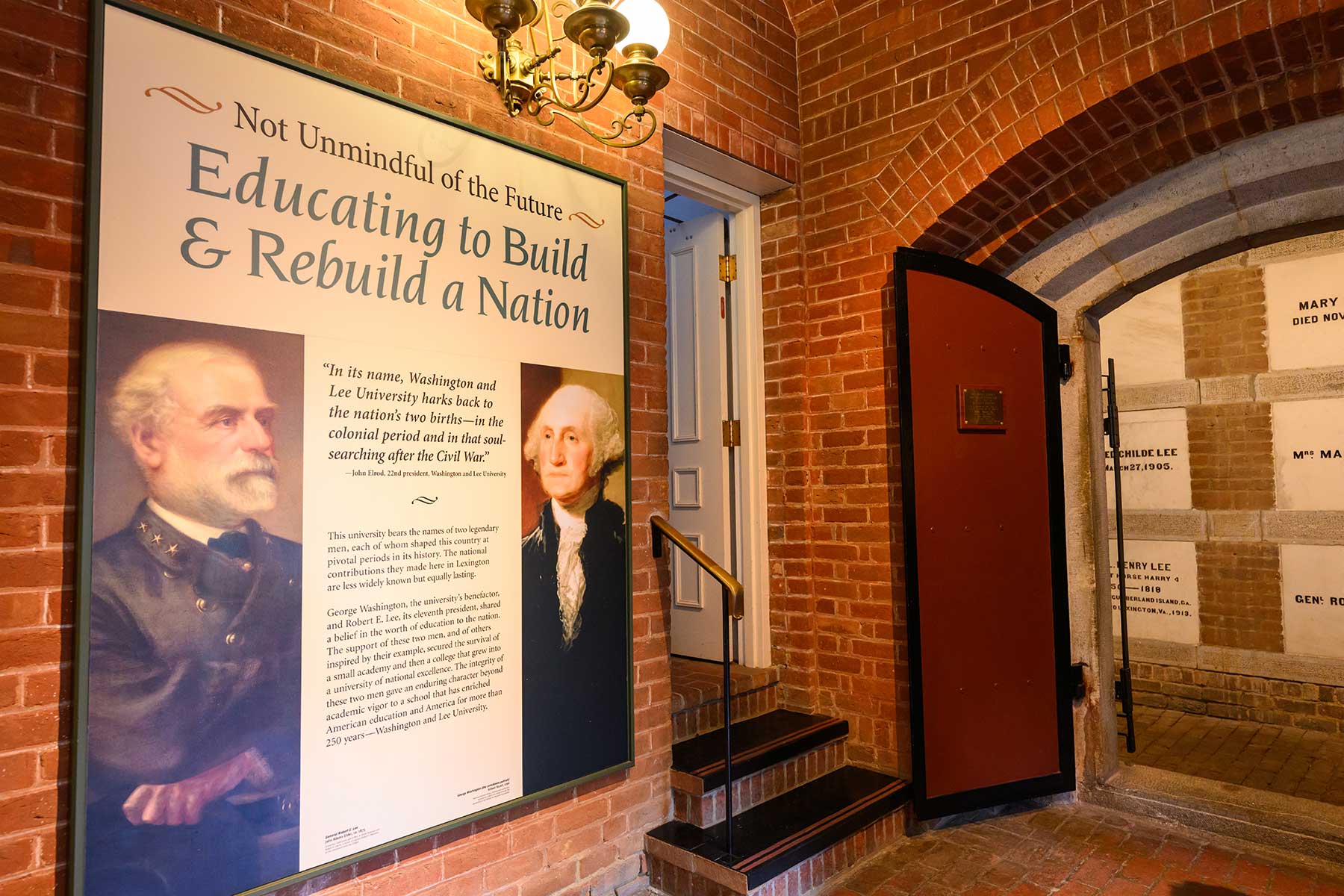
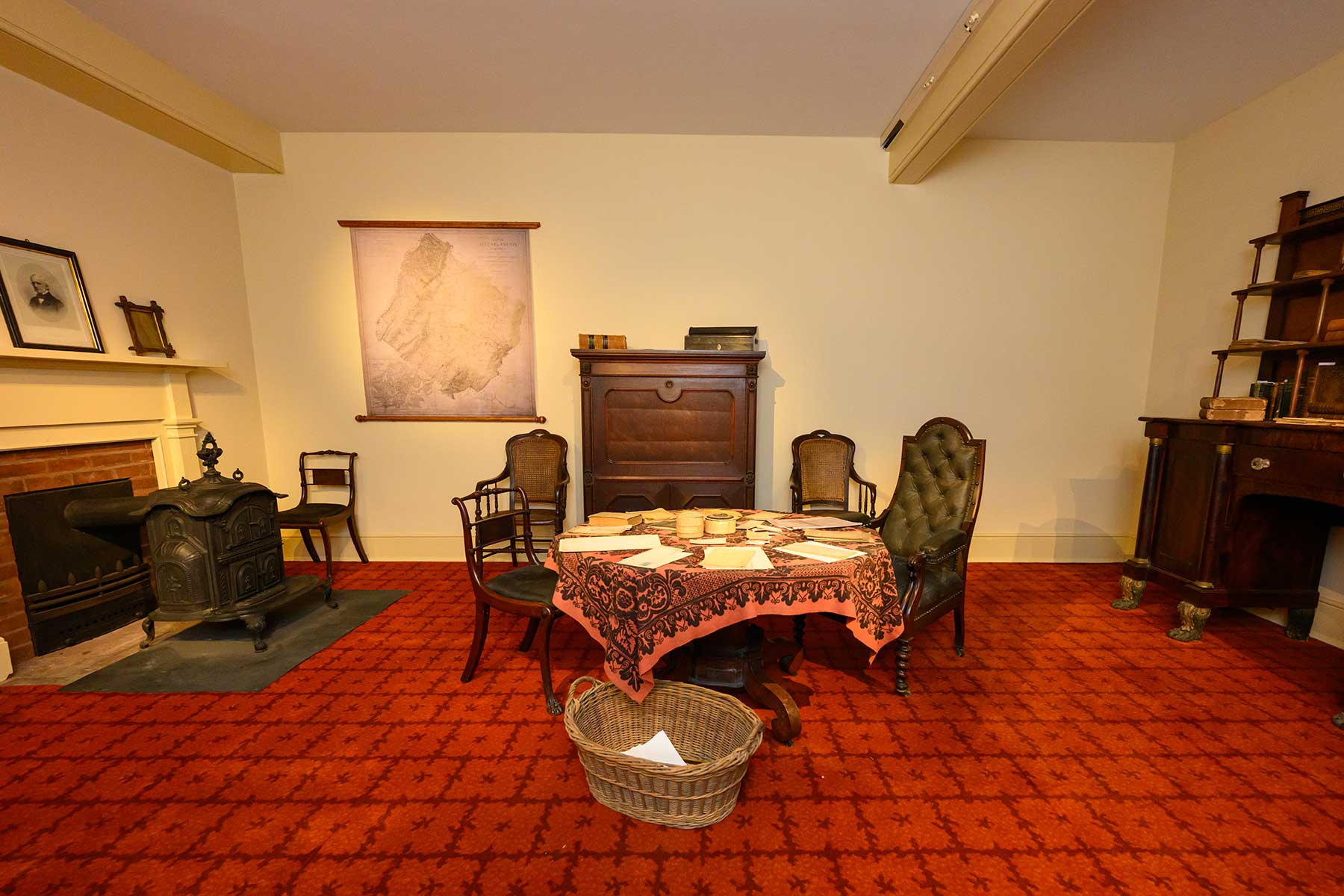
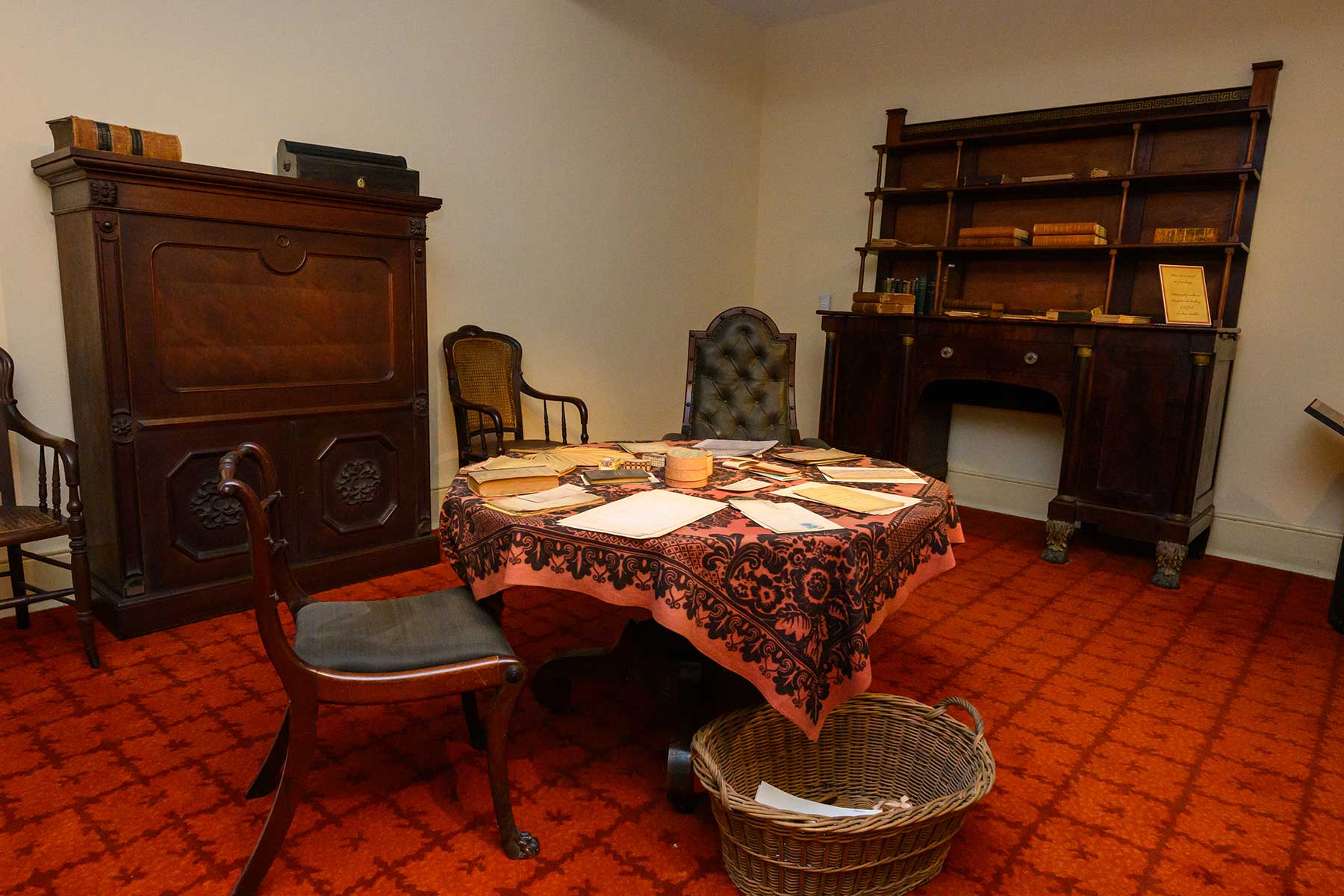
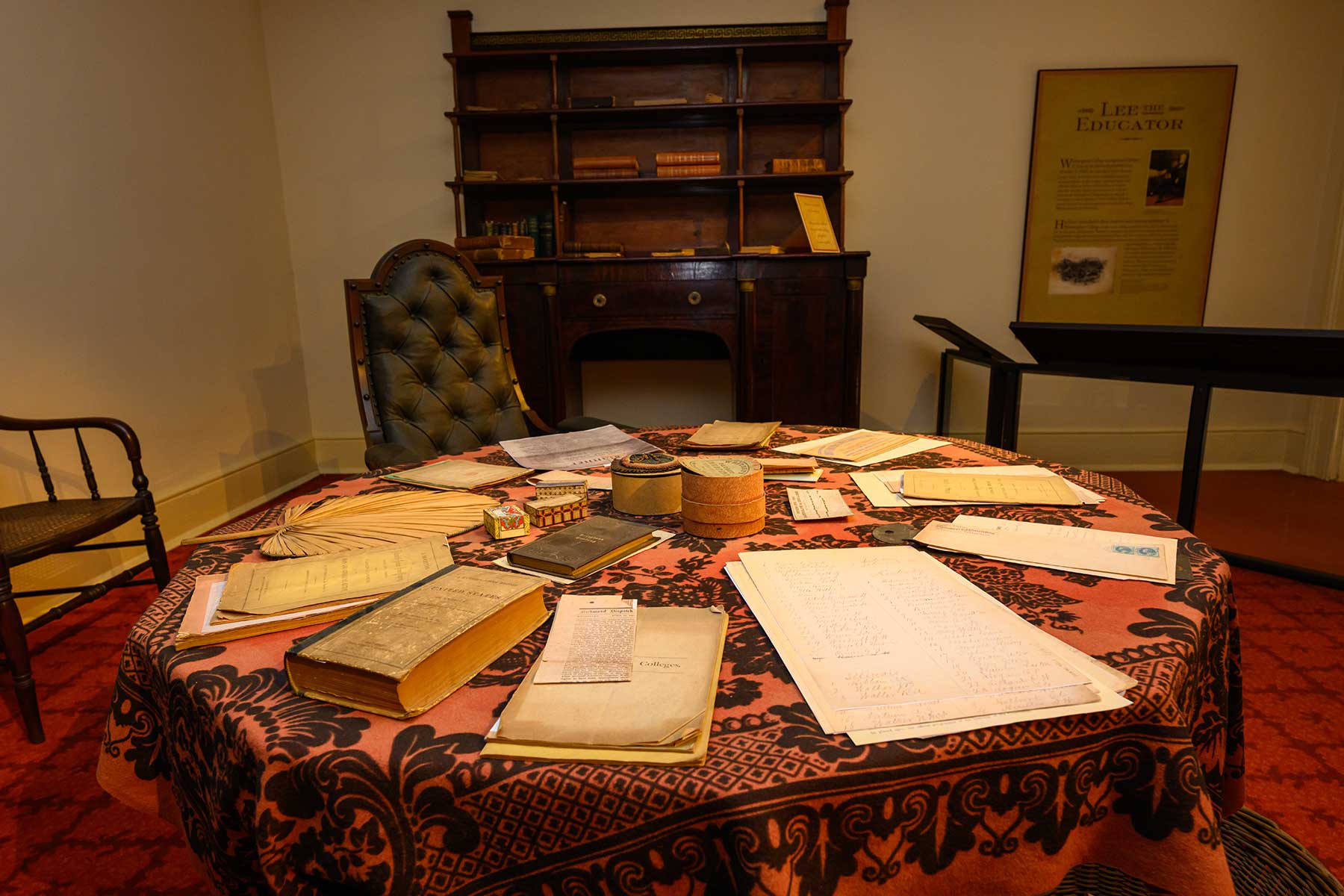
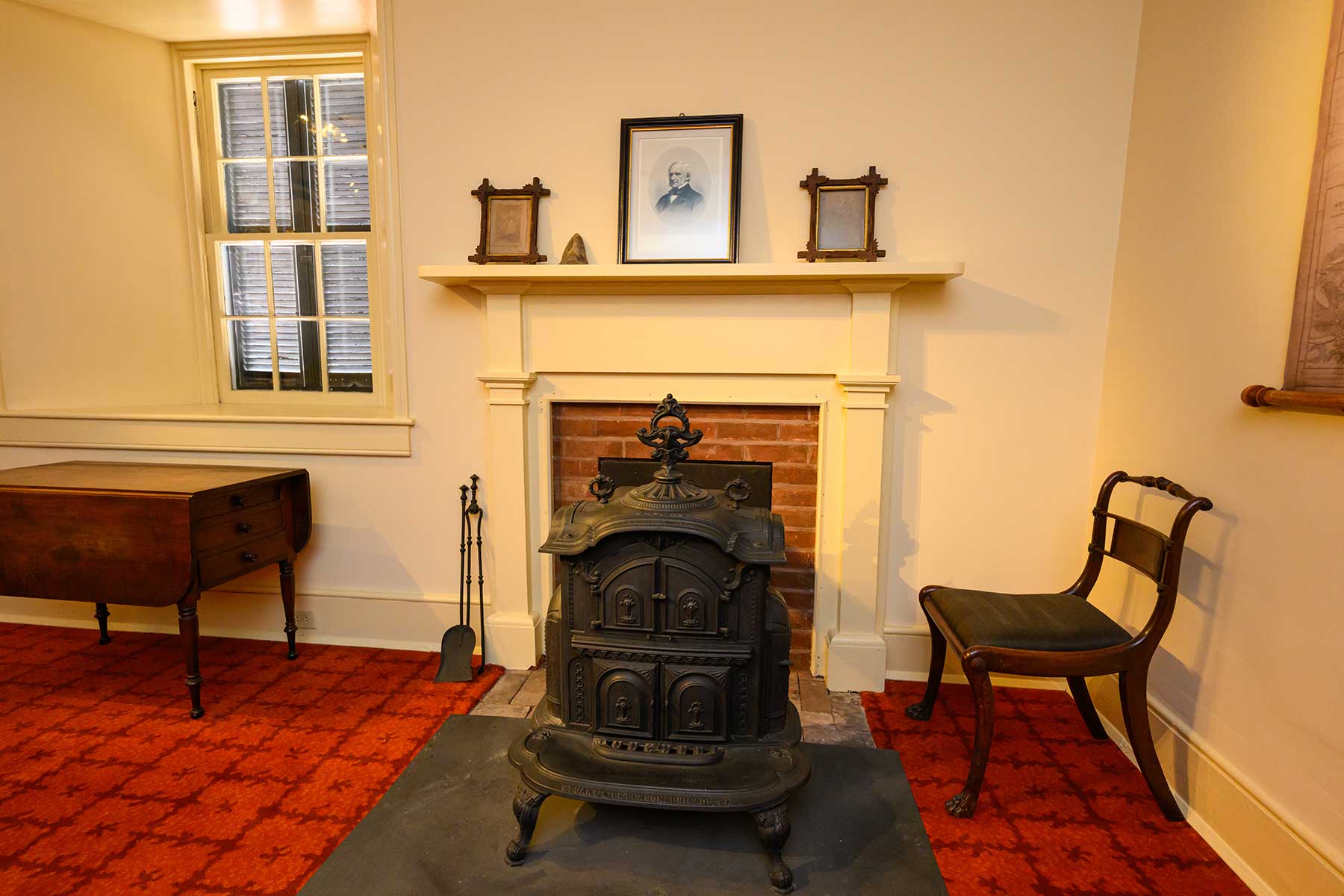
Lee’s office is currently interpreted as it appeared in his last visit on Sept. 28, 1870, and examines his work as the President of Washington College. The rest of the lower level became a museum in 1928 and has since housed exhibitions of items related to the chapel’s history, the Lee and Washington families and examines the contributions of George Washington and Robert E. Lee to education.
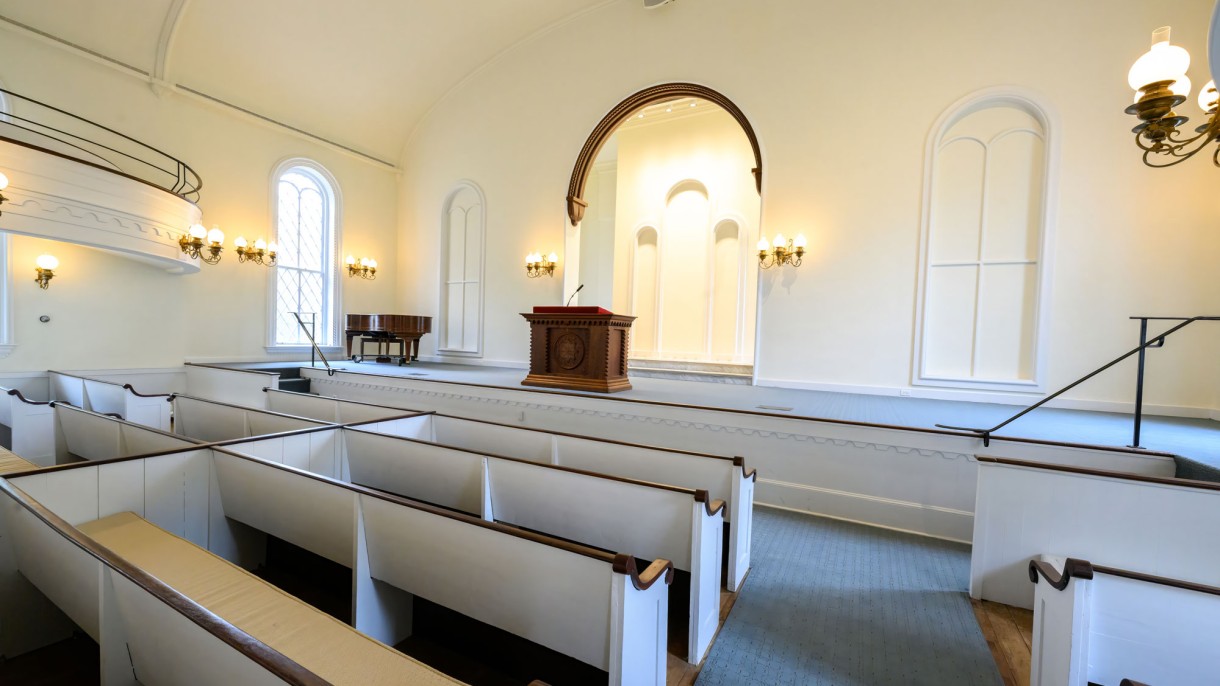
In the years following Lee’s death, the building was variously referred to as “University Chapel,” “Lee Memorial Chapel,” “Memorial Chapel,” and simply “Chapel” until 1918, when the Board of Trustees formally adopted the name “Lee Memorial Chapel.” The building was named a National Historic Landmark in 1961, and from 1962 to 1963 the University restored the Chapel, making significant aesthetic changes to the interior, with the support of the Ford Motor Company Fund. The gallery wall at the front of the auditorium was reduced to two notable portraits of the University’s namesakes: “George Washington as Colonel in the Virginia Regiment” by Charles Willson Peale, and a portrait of Robert E. Lee by Theodore Pine.
In 1998, W&L completed a major renovation of the Lee Chapel Museum to celebrate the University’s 250th anniversary in 1999.
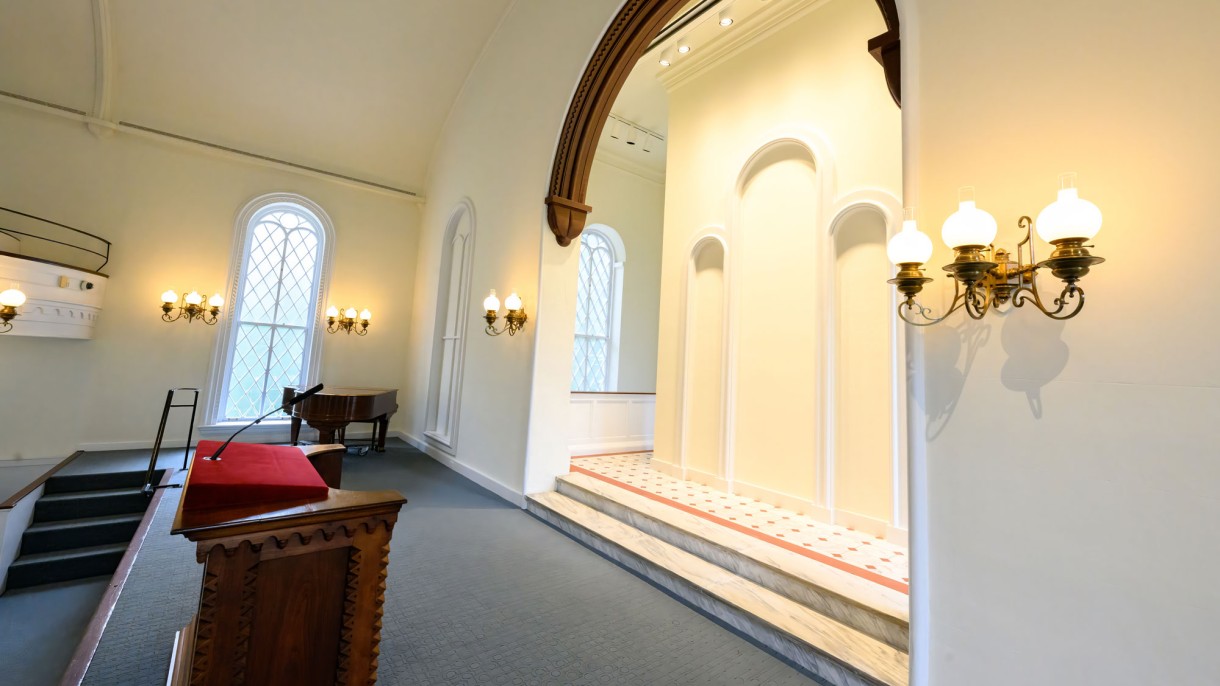
In 2018, in response to recommendations from the 2017 Commission on Institutional History and Community, Washington and Lee’s Board of Trustees endorsed replacing the portraits of Washington and Lee with portraits reflecting the men at the time of their contributions to the institution: the 1796 Gilbert Stuart portrait of George Washington in the year he gave the then-Liberty Hall Academy a substantial gift of James River and Potomac Canal Company stock, and the 1866 J. Reid portrait of then-president Robert E. Lee during his second year as the leader of Washington College. The doors to the statue chamber were ordered closed during university events.
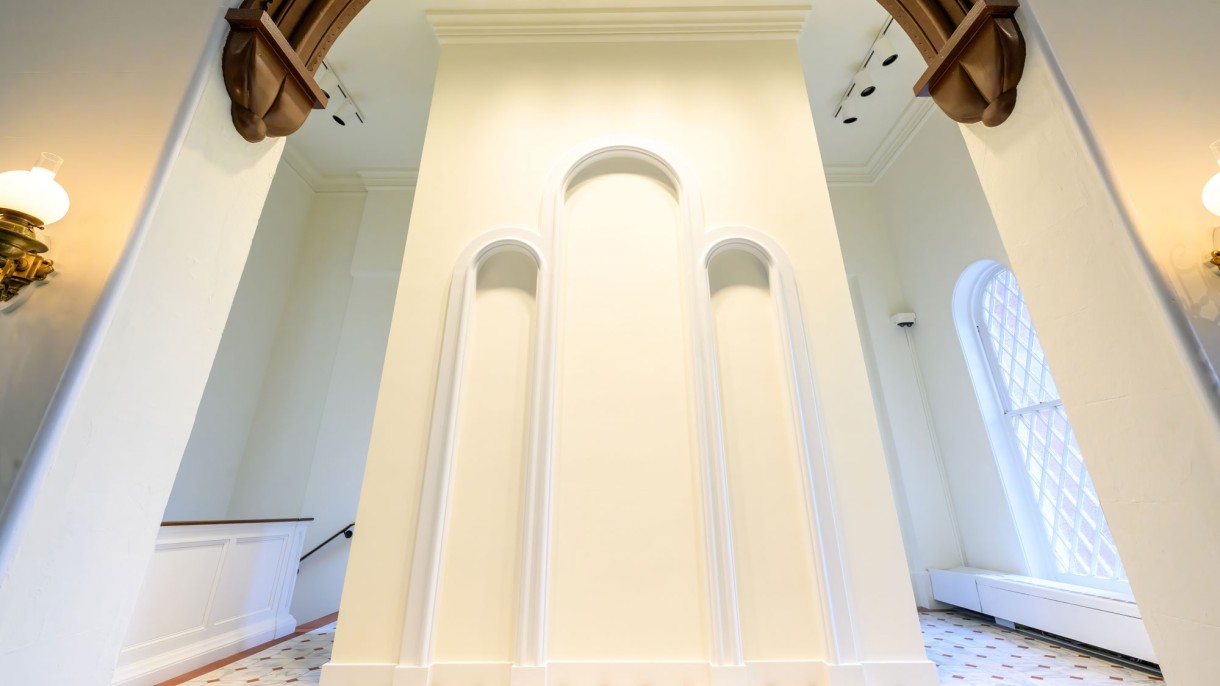
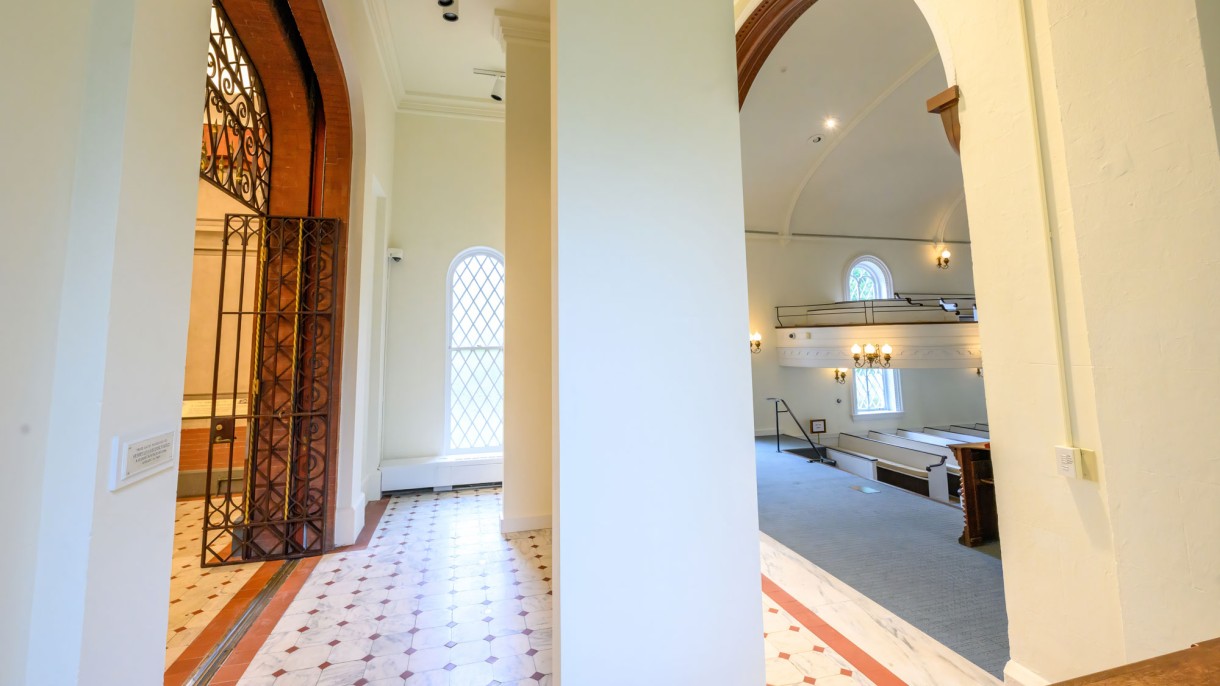
In July 2020, Washington and Lee’s Board of Trustees formed a special committee to undertake a deep and detailed review of the university’s symbols and name. The Board approved a slate of initiatives, announced in 2021, including renaming Lee Chapel “University Chapel,” in keeping with its original 19th-century name, and approving interior changes to restore its unadorned design and physically separate the auditorium from the Lee family crypt and the Lee sculpture that was crafted by Edward Valentine. A number of plaques were removed from the interior of the chapel, to be reinstalled on the university’s Memorial Gateway or in the forthcoming Institutional History Museum, and the namesake portraits of Washington and Lee were moved to a new exhibition on the history of the Chapel auditorium in the Chapel Galleries. In 2023, a partition was added on the stage of the chapel auditorium to separate the original 1868 chapel auditorium, which is intended to serve as a gathering space for university events, and the 1883 annex containing the Recumbent Lee sculpture, which is intended to serve as a location for the preservation and telling of history. The partition created two adjoined, publicly accessible spaces, both of which are open to the public.
In 2026, renovation work was completed in the chapel, which included new HVAC systems, updated life safety equipment, and the installation of new exhibitions that explore the history of the chapel and its collections.
University Chapel and Galleries