
2026-2027 Lecture Series
Memory, Mind, and Morality

Our 2026-2027 series will explore the ethical dimensions of memory. Rather than treating memory as a passive record of the past, the series examines it as an active, interpretive process that shapes how individuals and communities understand responsibility, identity, and justice. Because remembering is inseparable from forgetting, the yearlong program offers opportunities to reflect on how acts of remembering and forgetting—and the choices they entail—shape the moral contours of our lives.
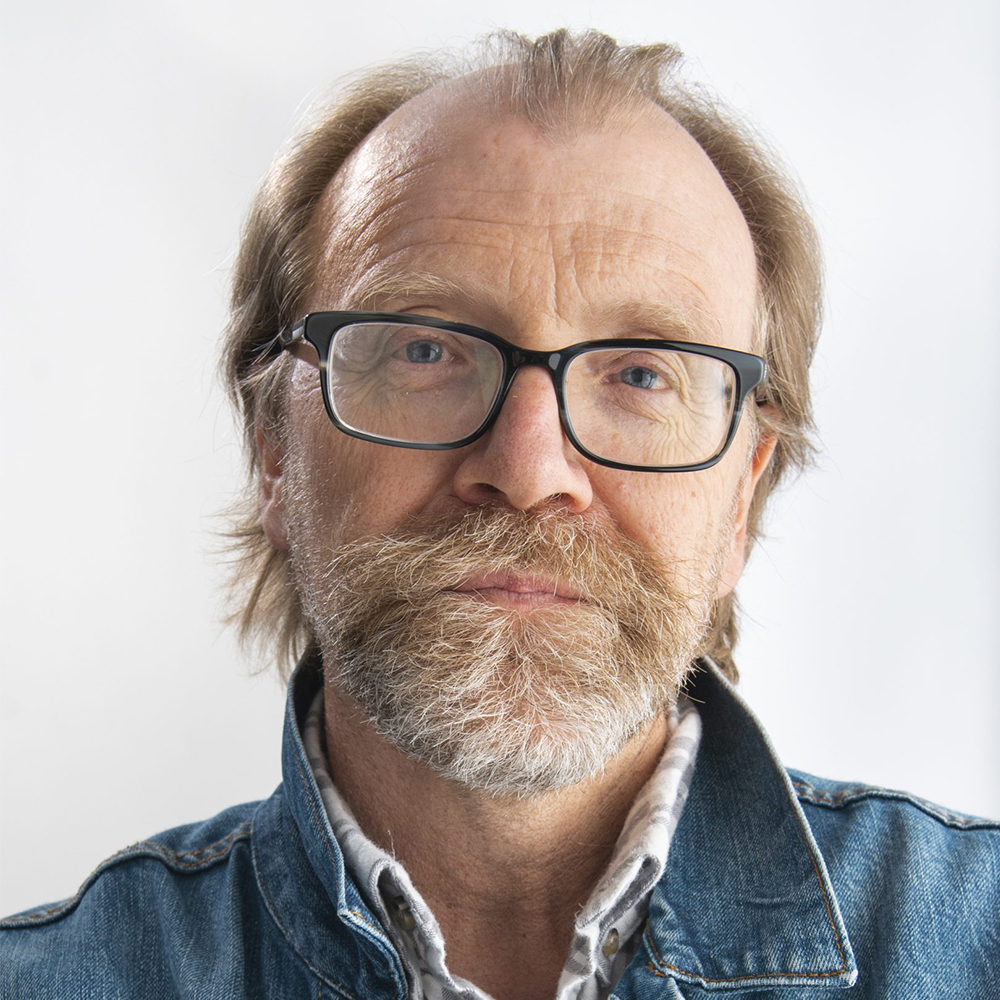
Tom Wolfe Weekend Seminar: Vigil
The Mudd Center is a proud co-sponsor of Lifelong Learning’s 2026 Tom Wolfe Weekend Seminar
Vigil Featuring Author George Saunders
September 4-5, 2026

Maya Lin
Talk Title: Memory, Monument, and the Natural World
September 17, 2026, 5:15 pm, Lenfest Hall 201, Keller Theater
Renowned architect and artist, Maya Lin, will launch the Mudd Center’s year-long series, “Memory, Mind, and Morality.”
In her keynote address, Lin will present works from her remarkable body of memorials, reflecting on how her deep concern for the environment has shaped her aesthetic vision. She will examine iconic projects such as the Vietnam Veterans’ Memorial in Washington, DC and the Civil Rights Memorial in Montgomery, Alabama, alongside her multi-sited Confluence Project in Washington State. Lin will conclude by discussing her final “memory work,” What Is Missing? — a global, diachronic project confronting biodiversity loss and climate change.
This event is co-sponsored by Art History, the Art Museum, the Lenfest Center, and the departments of Philosophy and Sociology and Anthropology.
Watch the recording.

Dr. Sven Bernecker
Talk Title: Carrying the Blame: The Memory Conditions of Responsibility Over Time
October 22, 2026, 5:15 pm, Stackhouse Theater
Holding someone responsible for a past deed sometimes require that they, in some sense, still remember it. But in which sense? Theories of personal identity since Locke lean on episodic, autonoetic memory — recalling the act from the inside. Does blameworthiness travel the same track? Or does it persist through a different kind of memory, one that outlasts our capacity to relive what we did?

Black Mirror: Screening and Conversation
Black Mirror: Screening and Conversation
Season 2, Episode 1
POSTPONED: DATE TBD

JT Torres
Talk Title: Remember Me: Ethical Implications of How Griefbots Shape Social Memory
November 16, 2026, 5:15 pm, Harte Center 128
How we remember lost loved ones is how we honor them. Since memory is never the exact replication of past experiences, the stories we tell about those we lost are creative acts with ethical import. What happens when these stories become products in the form of Griefbots? What happens to our identity when technology replaces social memory? JT Torres, Director of the Harte Center, draws from his research and writing to explore these questions.

Field Kizza-Brown
Talk Title: Spies, Saboteurs, and Silences: A Cold War History Misremembered
February 10, 2027, 5:15 pm, Stackhouse Theater
The most explosive book in Cold War African American literary history was never published—and maybe never will be. Richard Wright died under suspicious circumstances before he could finish it, leaving behind pages that read like evidence still too dangerous to handle. In them, he exposed how books—objects we trust to carry truth and memory—were explicitly engineered to distort truth and memory. Wright’s “Island of Hallucination,” his cloak-and-dagger novel about Black writers in Paris in the 1950s, shows that what we have inherited as Cold War literary history is not simply incomplete, but actively misremembered.

Erika Doss
Talk Title: Monuments Are Mortal: Public Art, Issues of Permanence, and Cultural Vandalism
March 4, 2027, 5:15 pm, Stackhouse Theater
In recent years, monuments and memorials have been at the epicenter of demonstrations in the United States (and around the world) protesting White supremacy, systemic racism, and police brutality. This talk considers how and why many Americans today aim to reconcile historical accountability (such as the history of slavery), presentist concerns, and national futurity through practices of cultural vandalism: damaging and removing various examples of public art in order to legitimate alternative forms of social and political purpose and identity. These actions raise questions about the permanence and social utility of public art. What happens when a memorial asks us to remember something harmful or degrading to groups of people? Are monuments eternal? Does public art have an ethical or moral obligation to serve a common good? What should happen to monuments that Americans consider troubling or problematic?

A Lenfest Event: A Teen Odyssey
The Mudd Center is a co-sponsor of the Lenfest Center’s 35th Anniversary Celebration
A Teen Odyssey
April 3-4, 2027
The Mudd Center
-
Washington and Lee University
209 Mattingly House
Lexington, VA 24450